A Divine Abode of Lord Shiva
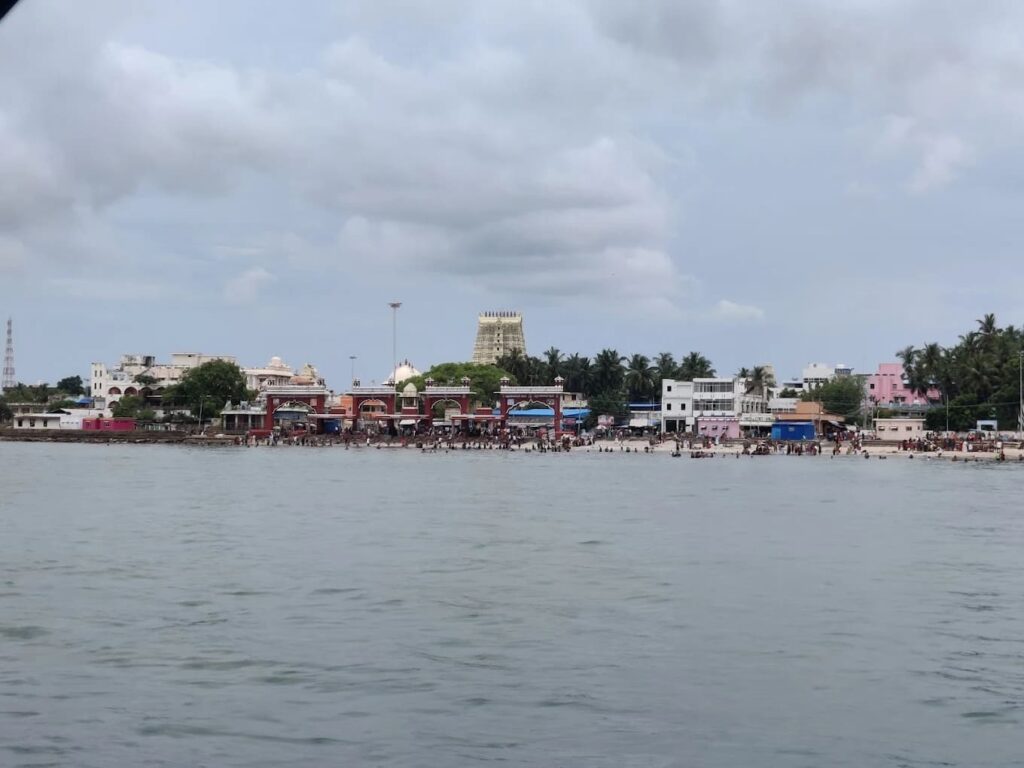
Ramanathaswamy Temple is a revered Hindu temple located on Rameshwaram Island in Tamil Nadu. Dedicated to Lord Shiva, it is one of the twelve Jyotirlinga temples, making it among the most sacred shrines for Shaivites. It is also part of the 275 Paadal Petra Sthalams, glorified in the devotional hymns of the Shaivite saints Appar, Sundarar and Sambandar. Devotees believe that visiting this temple washes away sins and leads the soul toward moksha (salvation). Connected to mainland India by the scenic Pamban Bridge, this holy shrine stands as a beacon of faith and architectural splendor.
Legend of Lord Rama’s Divine Penance
According to the Ramayana, Lord Rama worshipped Shiva at this very spot to absolve himself from Brahmahatya dosha (sin of killing a Brahmin, Ravana). Due to delays in Hanuman’s return from Mount Kailash with a lingam, Sita molded one from sand. Rama installed it and later placed Hanuman’s lingam beside it, blessing both forms. According to Shiva Purana, Shiva appeared before Rama and granted him the boon of victory over Ravana, and at Rama’s request, chose to remain in Rameshwaram to bless all devotees.
Architectural Marvel in Stone and Sand
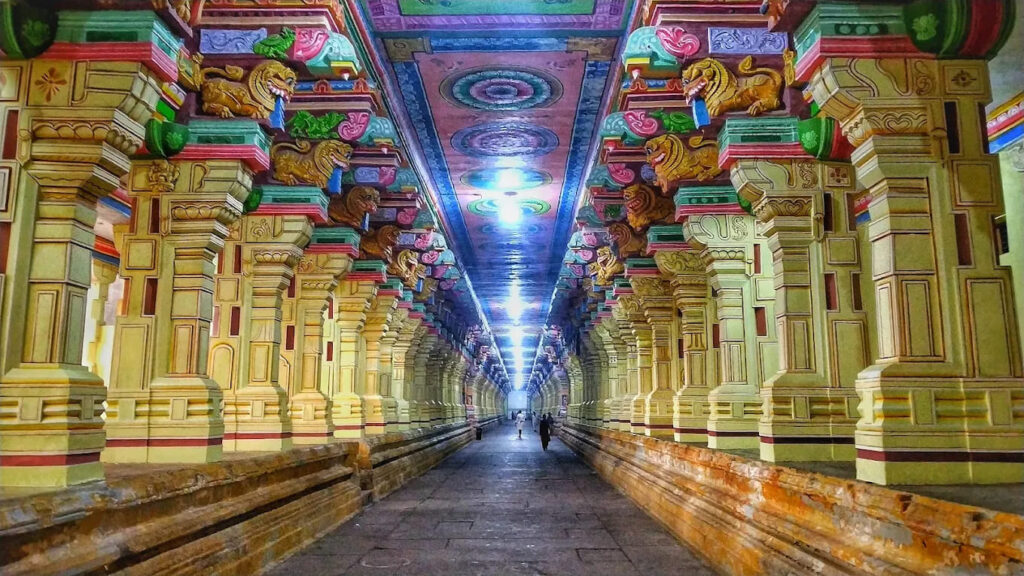
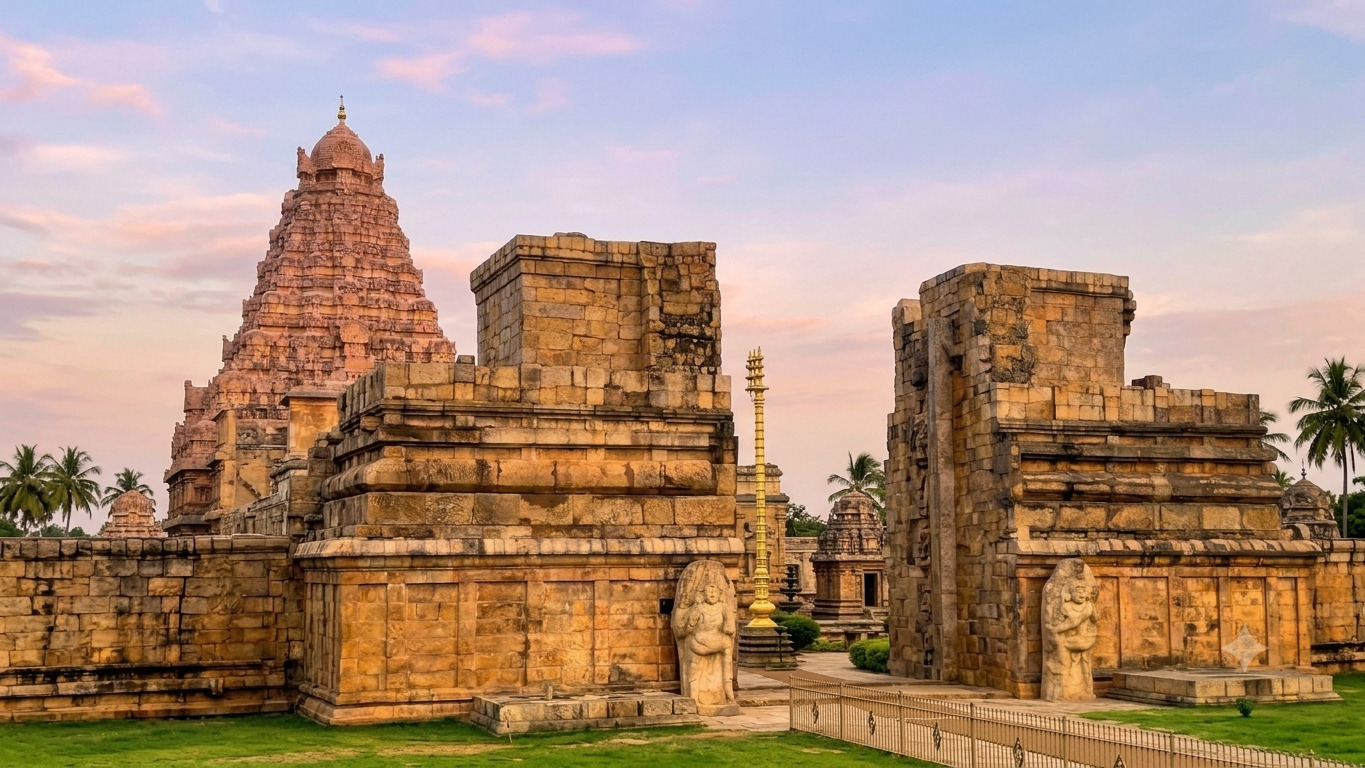
Originally a thatched hut, the temple saw its first stone structure built by Parakrama Bahu of Sri Lanka. The Setupathy rulers of Ramanathapuram expanded the temple in true Dravidian style, with influences of Pallava architecture. The third prakaram (corridor), known for its 4000 intricately carved granite pillars, was added in the 18th century.
Spanning 15 acres, the temple boasts:
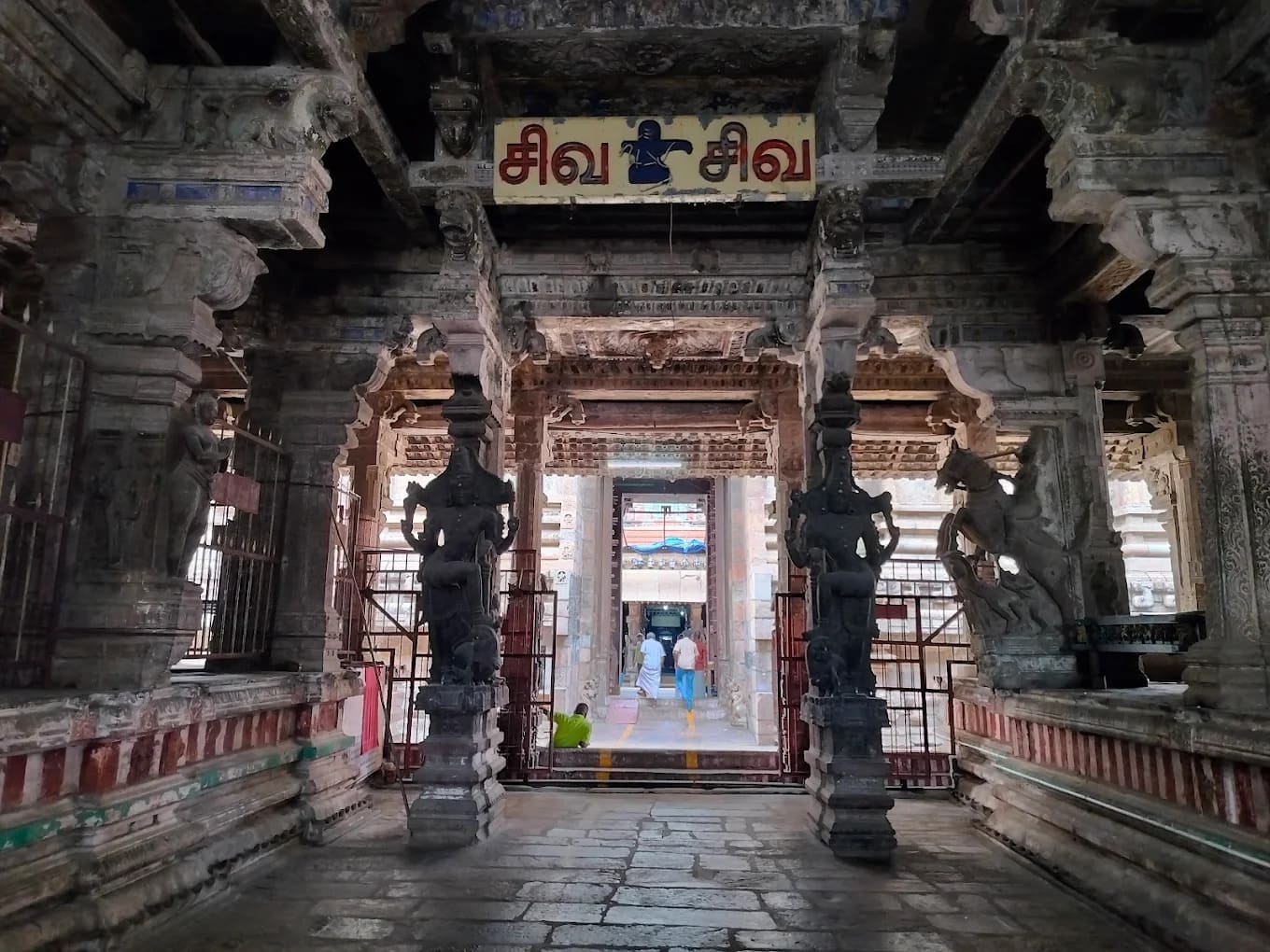
- The longest corridor in any Indian temple (4000 ft long)
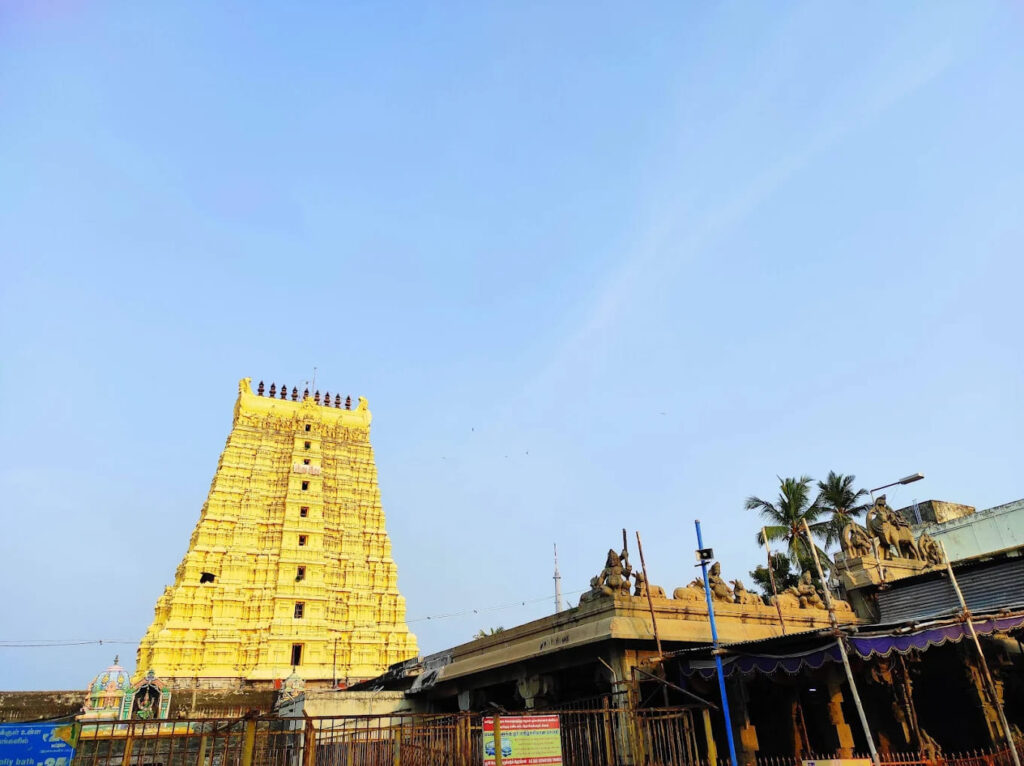
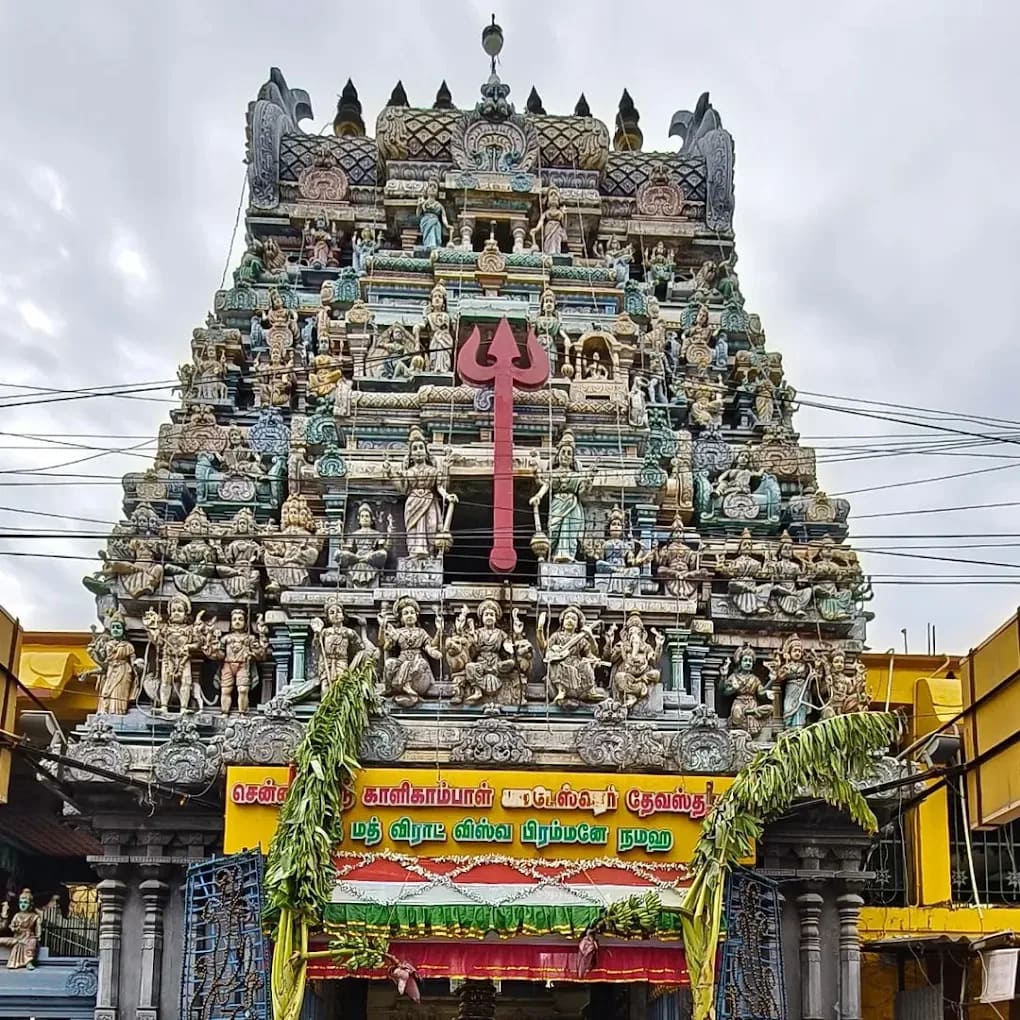
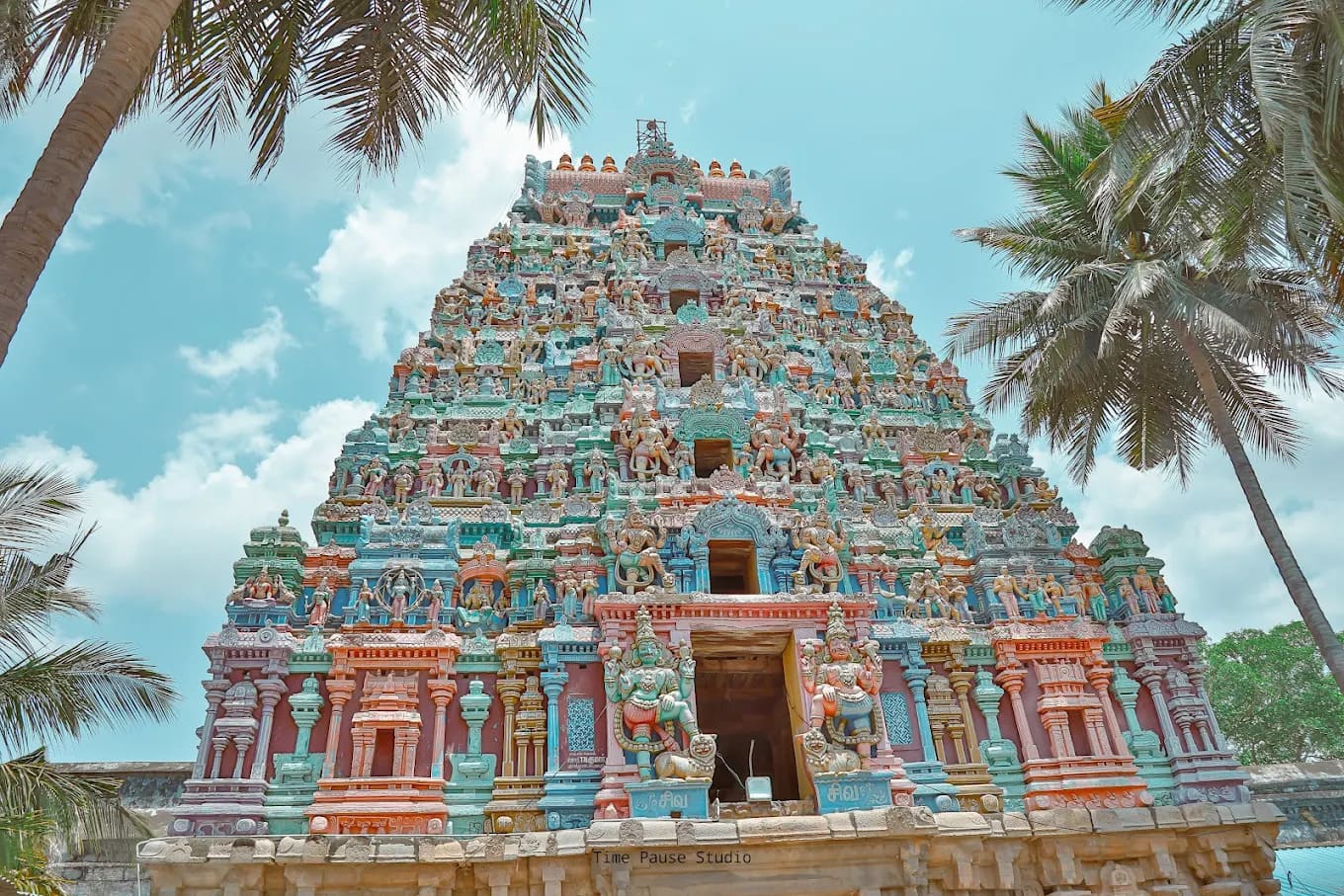
- A skyscraping gopuram
- Stone carvings of elephants, floral patterns and divine figures
- A carved monolithic river pillar, 13 ft tall
The stone used is not native to the island, believed to have been transported across the sea, showcasing the dedication of its builders.
A Centerpiece of the Char Dham Pilgrimage
Ramanathaswamy Temple holds a vital place in the Char Dham (four divine pilgrimage sites) of India, alongside Badrinath, Puri, and Dwarka. Established by Adi Shankaracharya, this circuit represents a spiritual journey across the four corners of India. Rameshwaram, being the southernmost, is a destination that every Hindu aspires to visit at least once in a lifetime.
The Sacred Jyotirlinga
This temple is also one of the 12 sacred Jyotirlingas, where Shiva is said to have manifested as a fiery column of light, symbolizing the eternal and infinite. Here, he is worshipped in the form of Ramalingam, created by Rama, and Vishvalingam brought by Hanuman from Kailash. By tradition, Vishvalingam is worshipped first to honor Hanuman’s devotion.
Historical Legacy
The temple’s sanctum was renovated by Jaffna kings from Sri Lanka in the 14th century, and later expanded during the 17th century under the leadership of King Kizhavan Sethupathi. Contributions by other rulers like Parakrama Bahu, Nissanka Malla, and local chieftains like Servaikaran of Pandiyur, further enriched its legacy.
Spiritual Waters: The 22 Sacred Theerthams
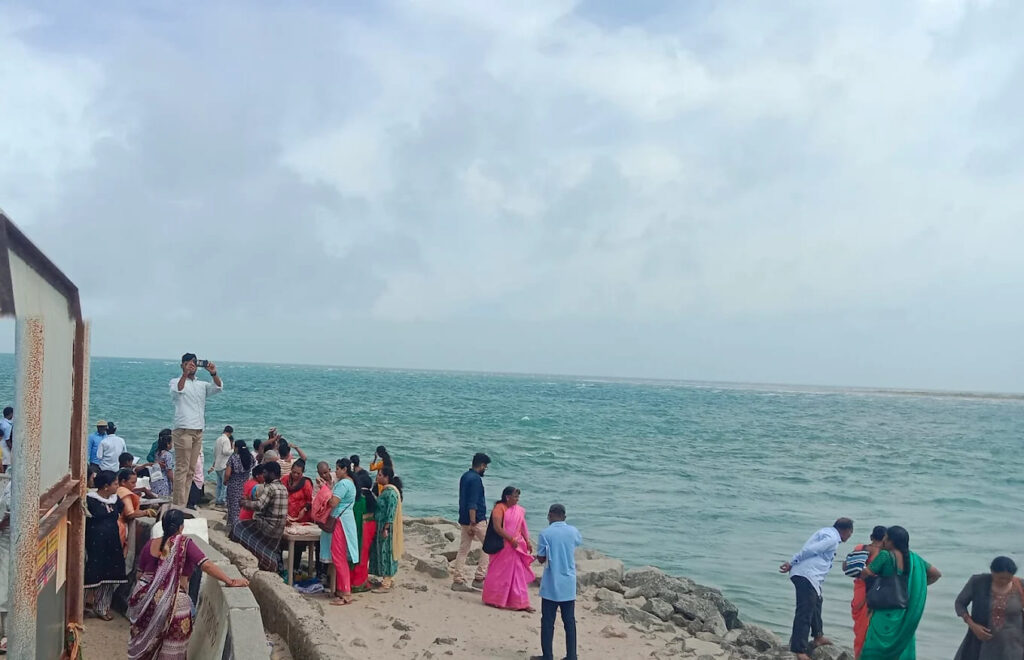
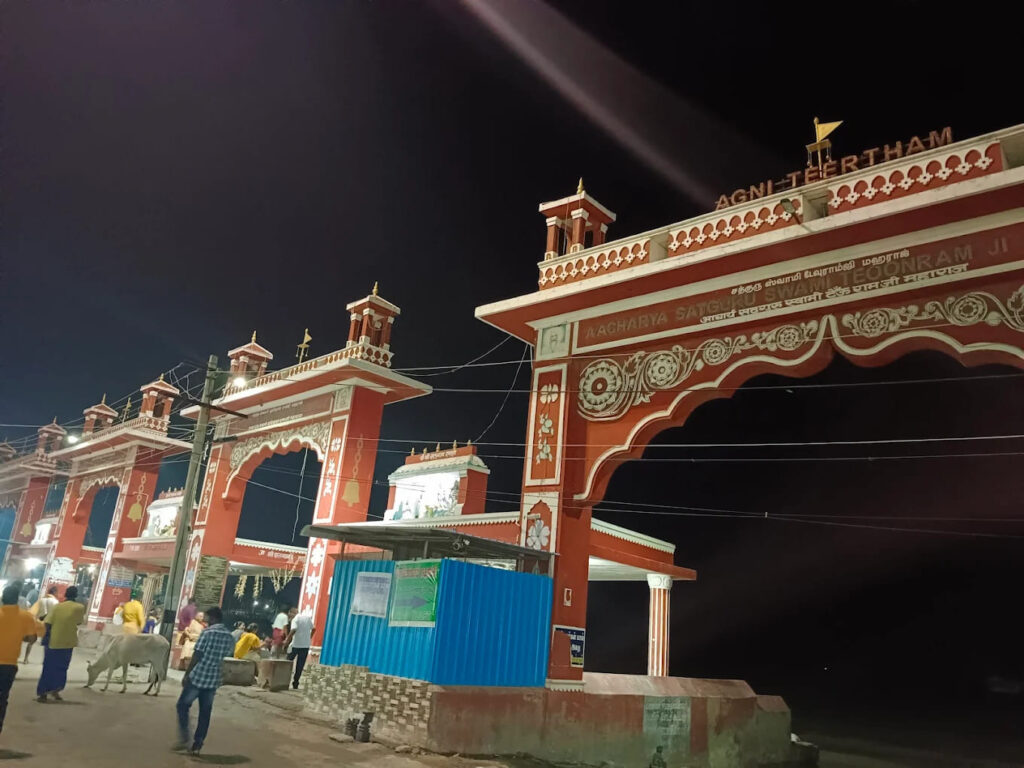
The temple features 22 holy theerthams (sacred water bodies), representing the 22 arrows in Lord Rama’s quiver. Bathing in these waters is considered spiritually purifying and equivalent to penance. The most prominent among them is the Agni Theertham, located by the sea.
Parvatavardhini & Other Shrines
Near the main shrine lies the Parvatavardhini Temple, dedicated to Goddess Parvati. Other notable deities worshipped here include Santana Ganapati, Veerabhadra Hanuman and the Navagrahas, and even the samadhi of Yogi Patanjali. The surroundings are dotted with ancient temples dedicated to Rama, Lakshmana, Sita and Hanuman, each with its own fascinating lore. Major festivals celebrated here include Maha Shivaratri, Thirukalyanam, Mahalaya Amavasai, and Thai Amavasai.
Gandhamadana Parvatham – The Divine Footprint
About 2 km from the temple stands Gandhamadana Parvatham, the highest point on the island. It houses a sacred chakra with Lord Rama’s footprint, drawing pilgrims and seekers alike to this spiritually charged hill.
Ramjharoka Temple – View from the Heavens
Situated 5 km from the main town, the Ramjharoka Temple holds Lord Rama’s footprints on a chakra. It offers breathtaking views of the surrounding ocean, making it a perfect spot for spiritual reflection.
Erwadi – Resting Place of a Saint
Just 24 km from Rameshwaram, Erwadi is home to the tomb of Saint Ibrahim Syed Aulia, a site of interfaith reverence and peace.
Dhanushkodi – Land of Legends and Lost Cities
Located 8 km from Rameshwaram, Dhanushkodi (meaning End of Rama’s Bow) is believed to be the place where Lord Rama began building the legendary bridge to Sri Lanka (Adam’s Bridge).
Once a thriving town with rail connections to Sri Lanka, it was destroyed in the 1964 cyclone. A 20-ft tidal wave turned the town into a ghost town. Today, a few fisherfolk live here amidst the ruins. The India–Sri Lanka border, just 50 yards wide, lies in this very region, making it the shortest land border in the world.
Gallery of Rameshwaram Temple: