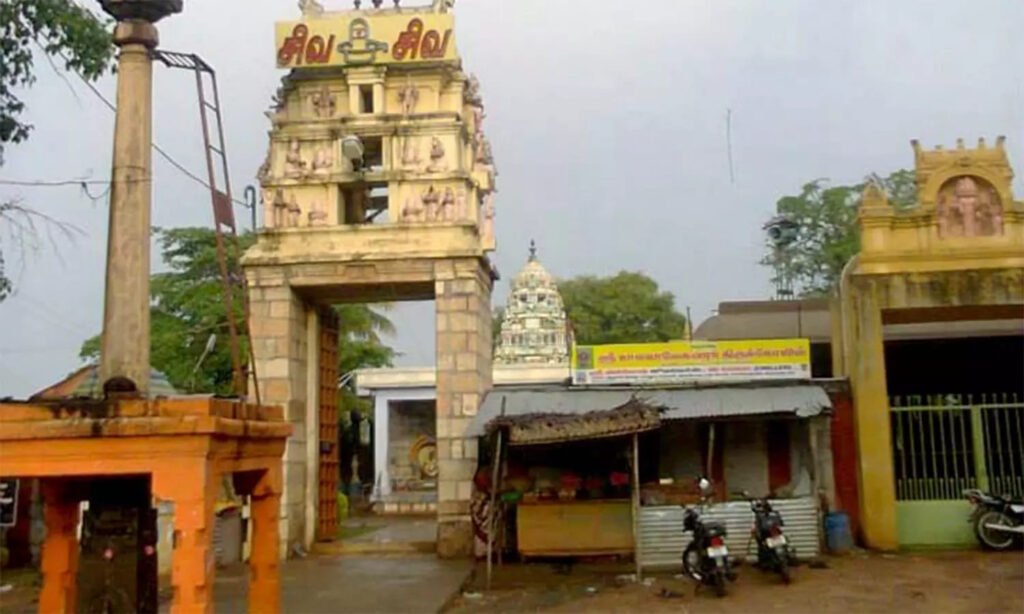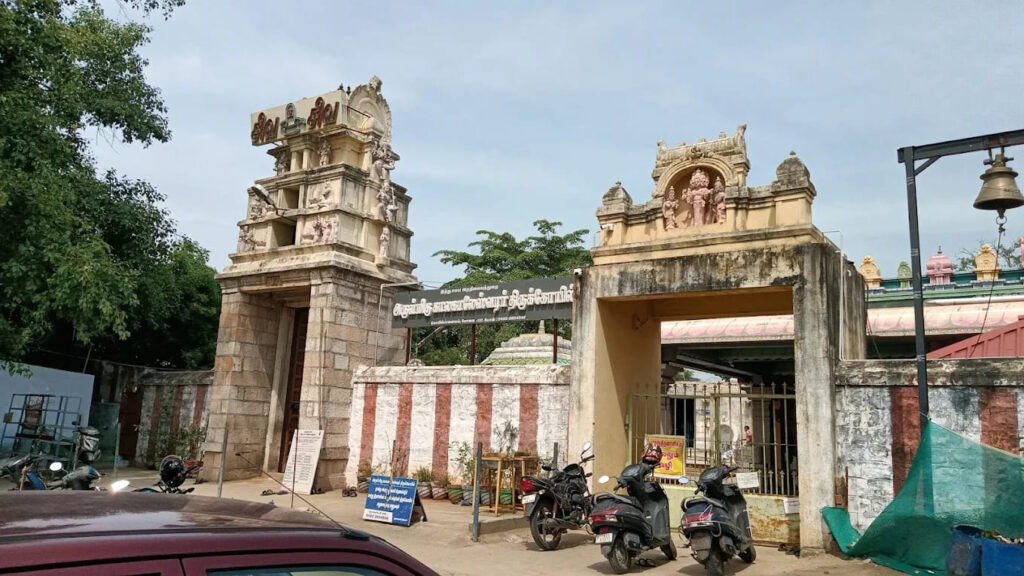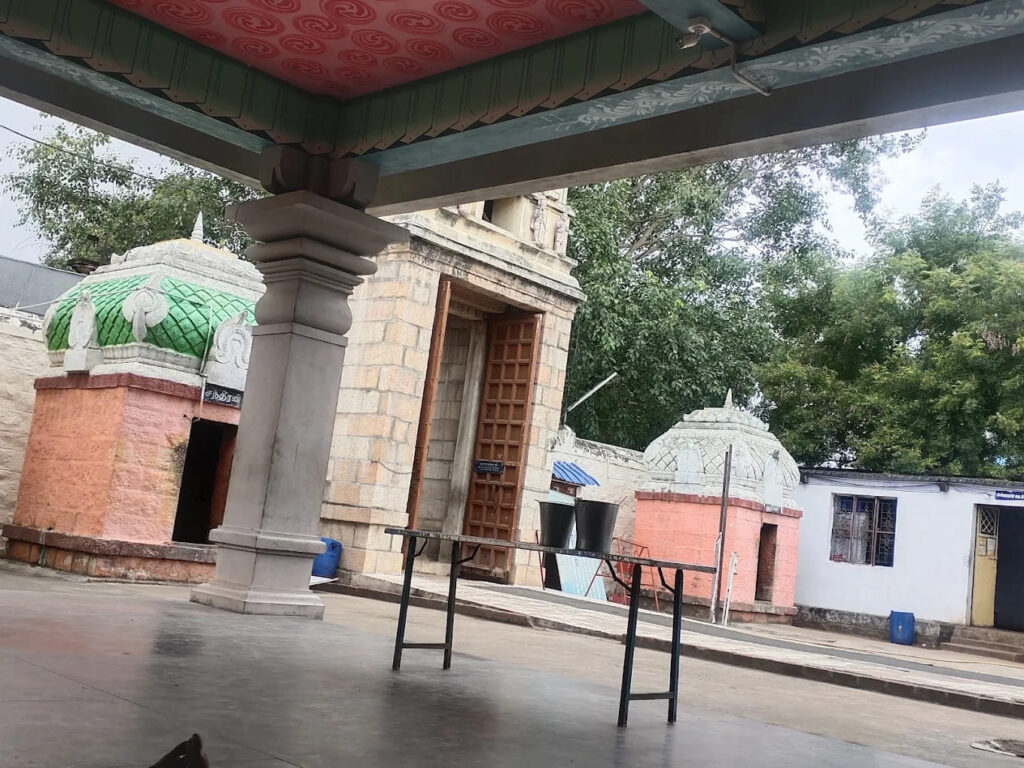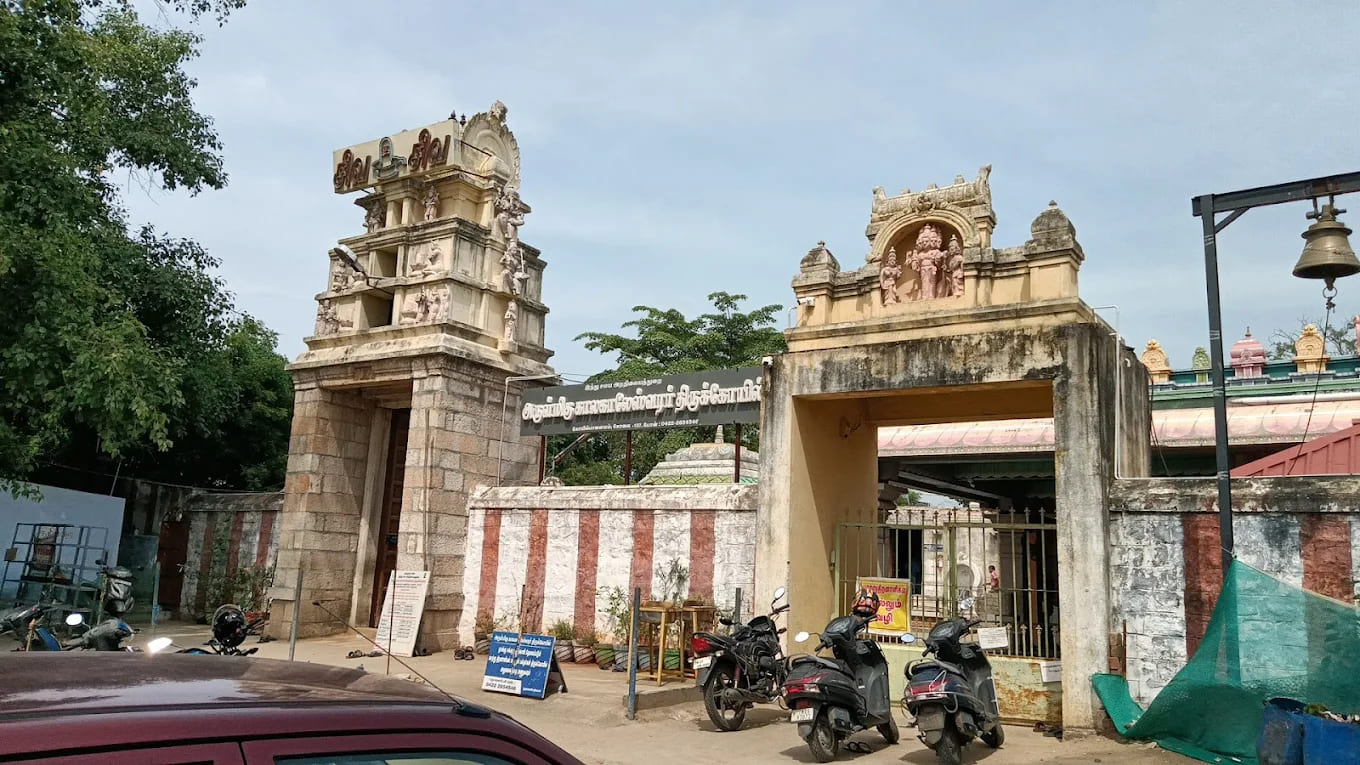
Nestled in Kovilpalayam, just 25 km from Coimbatore city, Arulmigu Kaala Kaleshwarar Temple stands as a revered Shiva shrine and an important Guru Parihara Sthalam, attracting devotees seeking relief from planetary afflictions, especially those linked to Guru (Jupiter). The temple is equally famous for its deep association with Lord Yama, the god of death, making it a place of unique spiritual significance.
A Glimpse into Kongunadu’s Heritage
Kongunadu, unlike the flourishing Chozha and Pandya regions, developed at a slower pace due to its history as a battleground for southern dynasties. While temple construction was less prominent, the Hoysalas, Pandyas, and Chozhas left their architectural imprints here. Today, Kongunadu is home to seven Padal-Petra Shiva Sthalams and several other historically important temples, among which Kaala Kaleshwarar Temple in Sarkarsamakulam (popularly called Kovilpalayam) holds a special place.
The area is also archaeologically rich – ash mounds along the Koushika River and discovered artifacts trace its history back to ancient times.
A Temple Steeped in History
Sarkarsamakulam, once known as Kavayanputur of Vadaparisara Nadu, was one of the 24 divisions of Kongunadu. Inscriptions and ancient records reveal that the place was named after a tribal leader, Kavayan, whose tutelary deity was Kavyakaliamman. Over time, the name evolved from Kavayanputur to Sarkarsamakulam, and eventually to Kovilpalayam.
The temple itself is believed to be over 2000 years old, facing east and renowned for conducting Ayush Homams. Devotees celebrate their 60th, 70th, and 80th birthdays here on their birth nakshatra. It is also a powerful marriage parihara sthalam.
Epigraphic Treasures and Lost Inscriptions
In 1922, the Epigraphy Branch of the ASI recorded 23 inscriptions from the temple, now lost after renovations. These included 19 Kongu Chozha inscriptions (11th–12th centuries), two from the Kongu Pandyas (14th century), one Hoysala record, and one from the Vijayanagara period (15th century). These inscriptions provide invaluable insights into the temple’s rich past.
Sacred Architecture & Deities
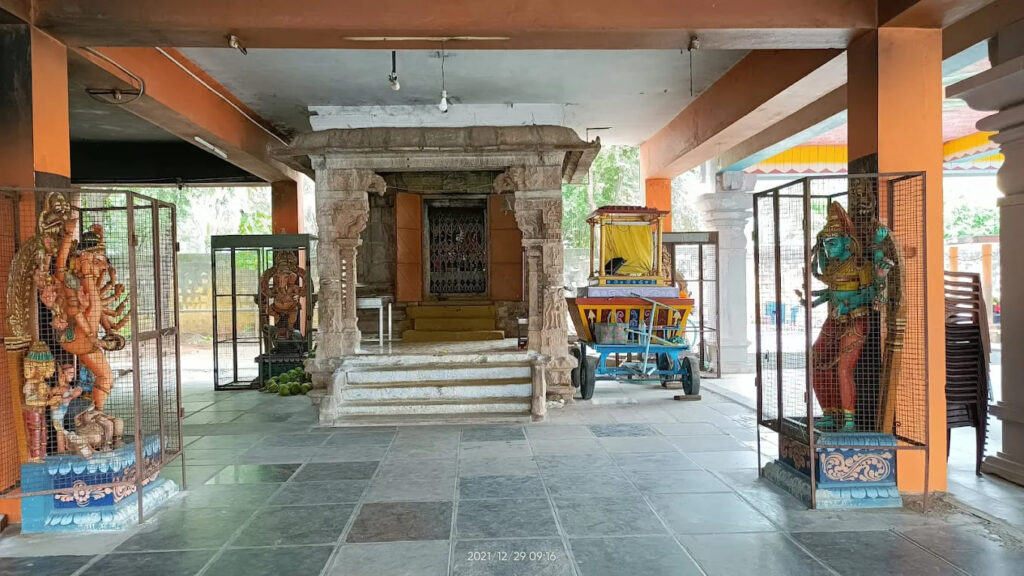
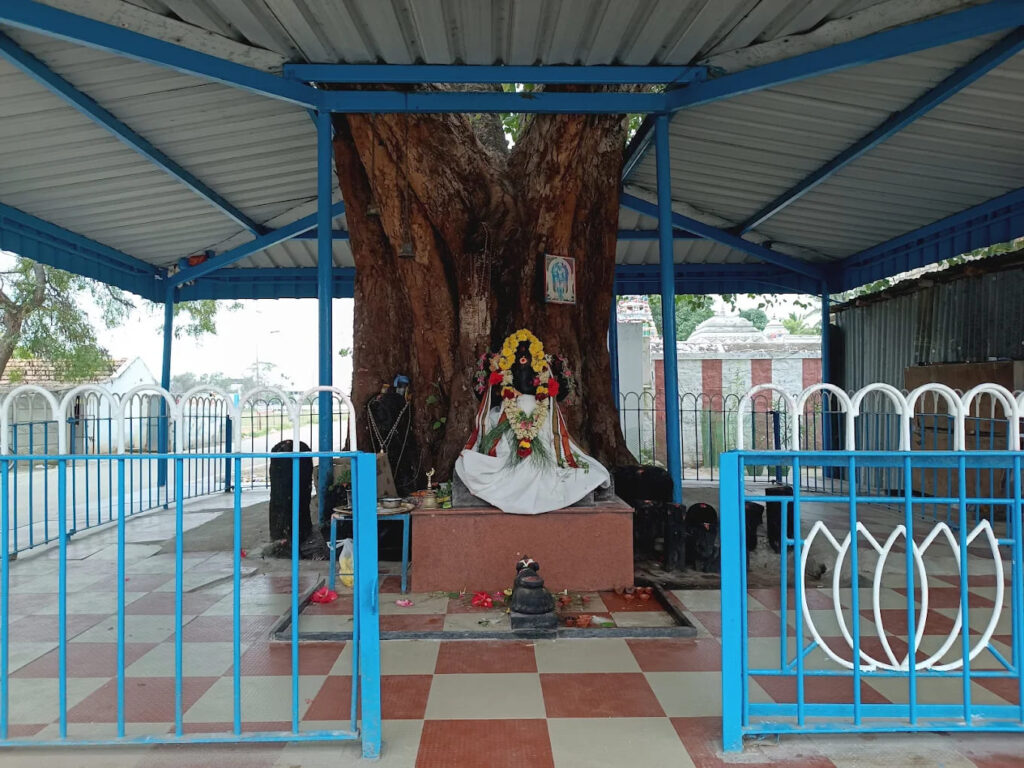
The temple complex houses shrines for Brahma, Vishnu with Sridevi and Bhoodevi, Surya, Chandra, Navagrahas and the four Nayanmars. The Kala Murugan Sannadhi lies between the sanctums of Shiva and Parvathi- a rare feature.
One of the temple’s striking sculptures is the image of Shiva kicking Yama, depicted above the main sanctum entrance. The temple also boasts one of Asia’s largest Dakshinamurthy idols, unique for having a small Lingam atop its head, making it a prime destination during Guru Horai and Guru Peyarchi.
The main Lingam, made of white foam and sand, prohibits abhishekams with curd, ghee or Panchamritham. Instead, honey, sandal paste and coconut water are used for specific rituals, believed to heal ailments and neutralize poison.
Legends and Myths
The temple is deeply linked to the Markandeya legend. After losing his powers for attempting to take Markandeya’s life, Lord Yama performed penance on the Koushika River’s banks. Striking the ground, he brought forth a layer of foam and sand, from which he fashioned a Lingam. On Sage Viswamitra’s advice, Yama returned to Yamapuri, his curse lifted and the Lingam was installed at this site.
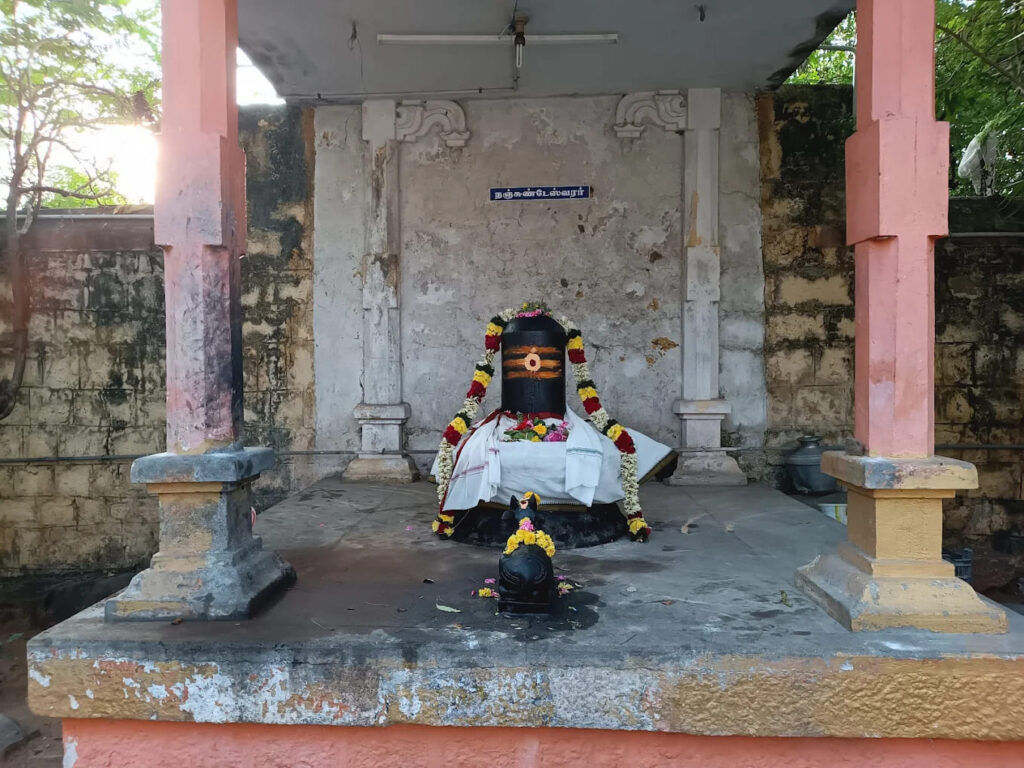
Kowsapuranam narrates that King Kowisga (later Sage Viswamitra) performed a yaga here, naming the place Kowsika Puri. According to Chozhan Purva Pattayam, Karikala Chozha, advised by Sage Narada, performed penance here to atone for accidentally killing a disguised Brahmin during hunting. He renovated the temple and installed Nanjundeshwara with bow and arrow.
Spiritual Significance Today
The temple is believed to grant longevity, much like Thirukadaiyur, where Yama was once defeated. Childless couples pray here, and special rituals are performed during Soorasamharam in the Tamil month of Ippasi (Oct–Nov). The emerald-green Nandi (now faded) receives grand Pradosha poojas.
Here, ancient history, rare legends and unique rituals converge – making the Arulmigu Kaala Kaleshwarar Temple a truly divine and culturally rich destination.
Gallery of Kaala Kaleshwarar Temple