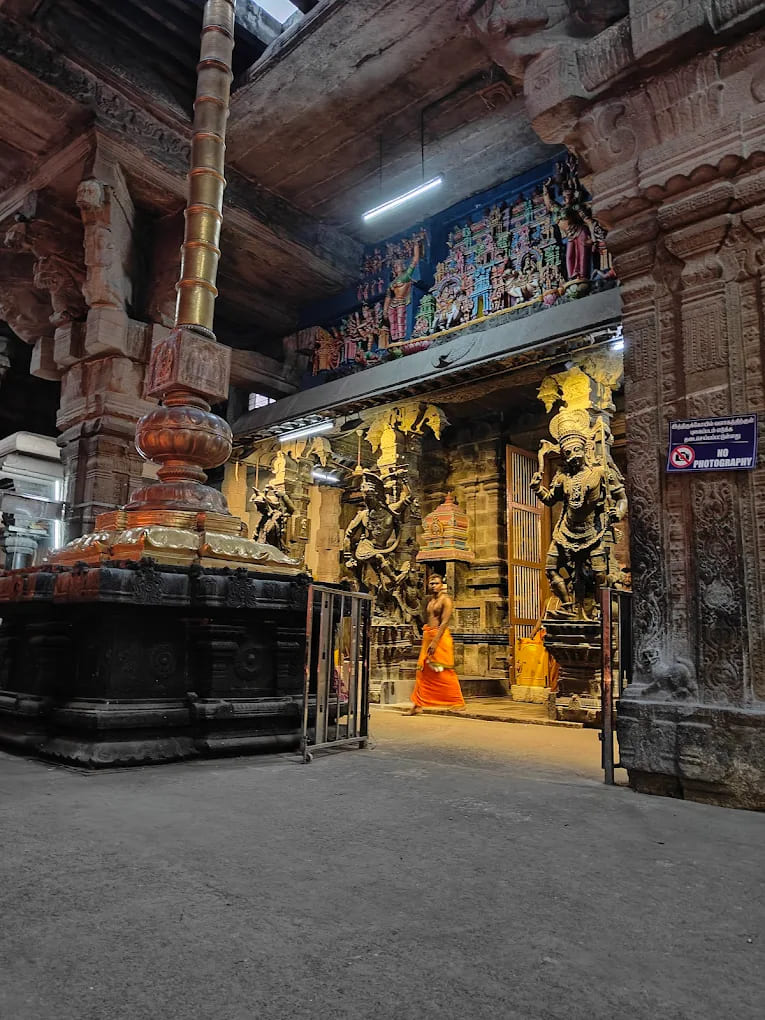
The Nellaiappar Temple is a renowned Hindu temple dedicated to Lord Shiva, located in the city of Tirunelveli in Tamil Nadu. Shiva is worshipped here as Nellaiappar (also called Venuvananathar), represented by the sacred lingam, while his consort Parvati is worshipped as Kanthimathi Amman. According to legend, Lord Vishnu witnessed the divine wedding of Shiva and Parvati at this site, earning the temple an honored position as an Abhimana Kshetram of Vaishnavism. Situated on the northern banks of the Thamirabarani River, the temple is also celebrated as a Paadal Petra Sthalam, glorified in the 7th-century Tevaram hymns.
Temple Complex
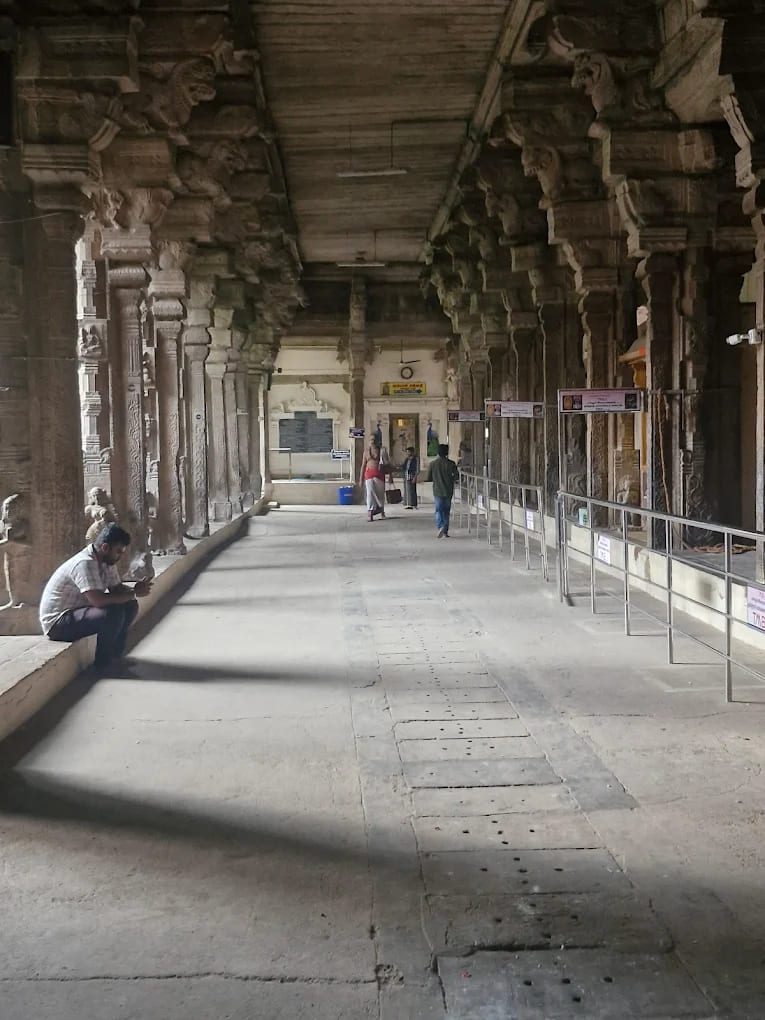
Covering a vast area of 5.9 hectares (14.5 acres), the temple complex is enclosed within concentric rectangular walls. It houses numerous shrines, with the sanctums of Swamy Nellaiappar and Sri Kanthimathi Ambal being the most significant. Daily rituals are performed from 6:00 a.m. to 9:00 p.m., and the temple hosts six major annual festivals, the most prominent being Brahmotsavam during the Tamil month of Aani (June–July). The temple’s structure was primarily developed under the Pandyas, with subsequent contributions from the Cholas, Pallavas, Cheras and Madurai Nayaks. Today, it is maintained by the Hindu Religious and Charitable Endowments Department, Government of Tamil Nadu.
History
Early Origins
Tirunelveli, known for its ancient temple towns, derives its spiritual heritage from forested landscapes. The region surrounding the temple was once covered with a bamboo forest (Venuvanam), giving rise to the temple’s older name and spiritual significance.
Dynastic Contributions
The earliest construction of the temple is credited to the Pandya rulers, while subsequent expansions were carried out by the Cholas, Pallavas, Cheras, and Madurai Nayaks. King Nindraseer Nedumaran (Koon Pandian) of the 7th century built the sanctums and gopurams and also established the famous Mani Mandapam with musical pillars. The temple flagpost was installed in 1155, and later, King Kulasekara Pandyan I built the outer walls in the 13th century.
Expansion in the 17th Century
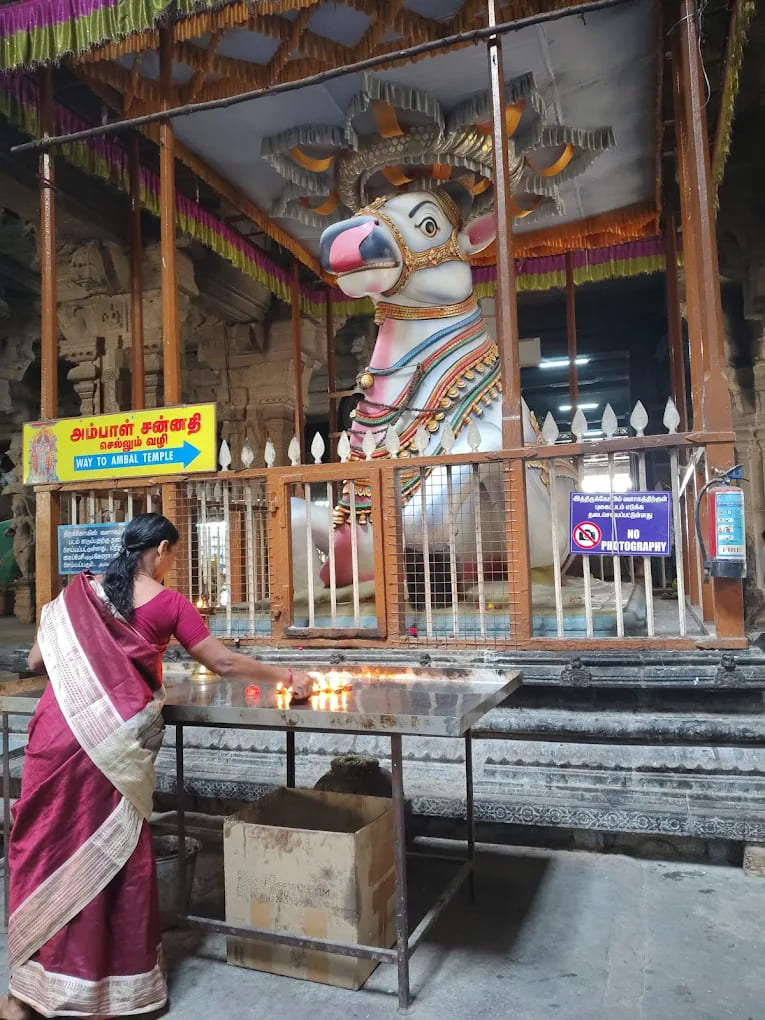
Originally existing as two separate temples – Nellaiappar and Kanthimathi Amman, they were integrated in 1647 by Thiru Vadamalaiappa Pillaiyan through the construction of the Sangili Mandapam (Chain Hall). Several structures such as the Nandi Mandapam (1654) and the Flower Garden (1756) were added by later patrons.
Inscriptions
Numerous stone inscriptions from various rulers including Veerapandiyan (950 AD), Rajendra Chola I, Kulothunga Chola I and Maravarman Sundara Pandyan – provide valuable information on the temple’s religious history and patronage.
Legend
In the Puranic era, this region was called Venuvana, a sacred bamboo forest. It is believed that Lord Shiva manifested here within this forest. The divine wedding of Shiva and Parvati was witnessed by Lord Vishnu, symbolized by an image of Vishnu holding a metallic gindi, representing holy offerings.
Temple Layout
The temple spans 260 meters in length and 230 meters in width, with massive walls and an impressive Rajagopuram. The Sangili Mandapam, built in 1647, connects the two primary shrines.
Key Architectural Features
Nandi Mandapam houses a large Nandi statue comparable to those in Tanjore and Rameswaram.
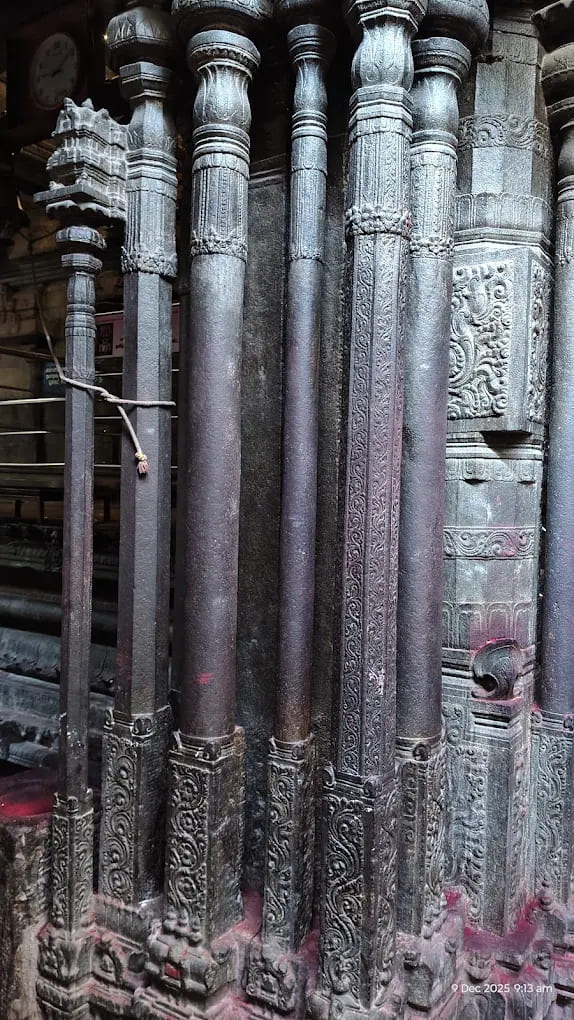
The Mani Mandapam contains two giant musical pillars carved from a single stone, each featuring 48 sub-pillars capable of producing distinct notes.
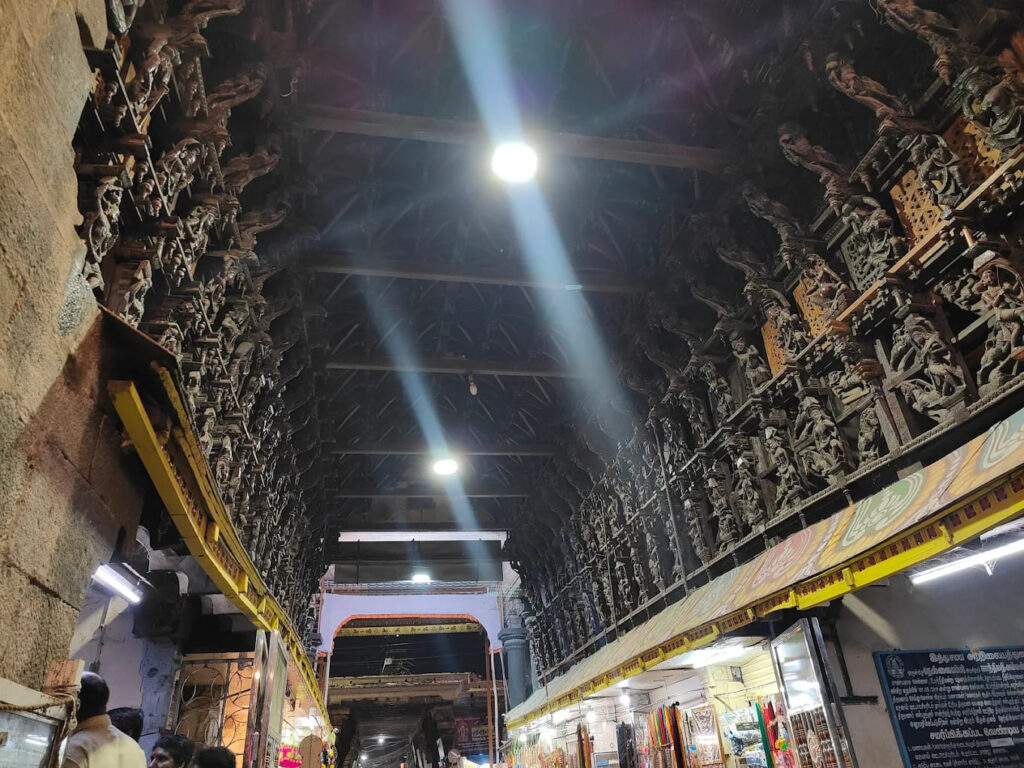
Several striking Virabhadra sculptures from the Vijayanagara period (1500s) enhance the artistic value of the hall.
Thaamira Ambalam
Tirunelveli is one of the five sacred sites associated with Shiva’s cosmic dance. The Thaamira (Copper) Ambalam here complements the other divine stages:
Ratna Sabhai (Ruby Stage) – Thiruvaalangadu
Chitra Sabhai (Art Stage) – Courtallam
Velli Ambalam (Silver Stage) – Madurai
Ponnambalam (Golden Stage) – Chidambaram
Religious Importance & Festivals
Major festivals include Navaratri, Tirukkalyanam and Arudra Darisanam. The temple chariot, one of the largest in Tamil Nadu, is a significant attraction. The golden temple car, inaugurated in 2009, is used during major celebrations.
Daily pujas are conducted six times, each consisting of abhishekam, alangaram, naivethyam and deeparadhanai. Weekly (Somavaram, Sukravaram), fortnightly (Pradosham), and monthly (Pournami, Amavasai) rituals draw thousands of devotees.
Literary Significance
The temple holds a prestigious place in Tamil Saiva literature.
Tirugnana Sambandar and Appar praised Nellaiappar in the Tevaram (First Tirumurai).
Sundarar also composed verses in the Fifth Tirumurai.
This makes the temple one of the 276 Paadal Petra Sthalams. Saint-composer Muthuswami Deekshithar composed the rare raga-based hymn Sri Kantimatim dedicated to Goddess Kanthimathi.
Transport Facilities
From Thirunelveli New Bus Stand, take a bus heading towards the town. The temple is about 4 kilometers away, and the bus stop is located at the temple entrance. From Thirunelveli Railway Station, you can also reach the temple by bus, as many town buses are available just outside the station.
Dress Code
There is no strict dress code followed at the temple. However, devotees are encouraged to wear modest and traditional attire. Men are advised to wear dhotis or veshtis, though normal pants and shirts are also permitted. Women are encouraged to wear sarees or salwar kameez.
Parking Guidelines for Visitors
A parking lot is available approximately 500 meters from the temple. There is no designated parking area close to the temple, so visitors are required to park their vehicles along the roadside surrounding the temple.
Temple Timings
The temple is open on all days from 5:30 AM to 12:30 PM and from 4:30 PM to 9:00 PM.
Nearby Attractions
- Agathiyar Falls
- Mundanthurai Tiger Reserve, Ambasamudram
- Manimuthar Falls
- Manjolai View Point
Gallery of Nellaiappar Temple