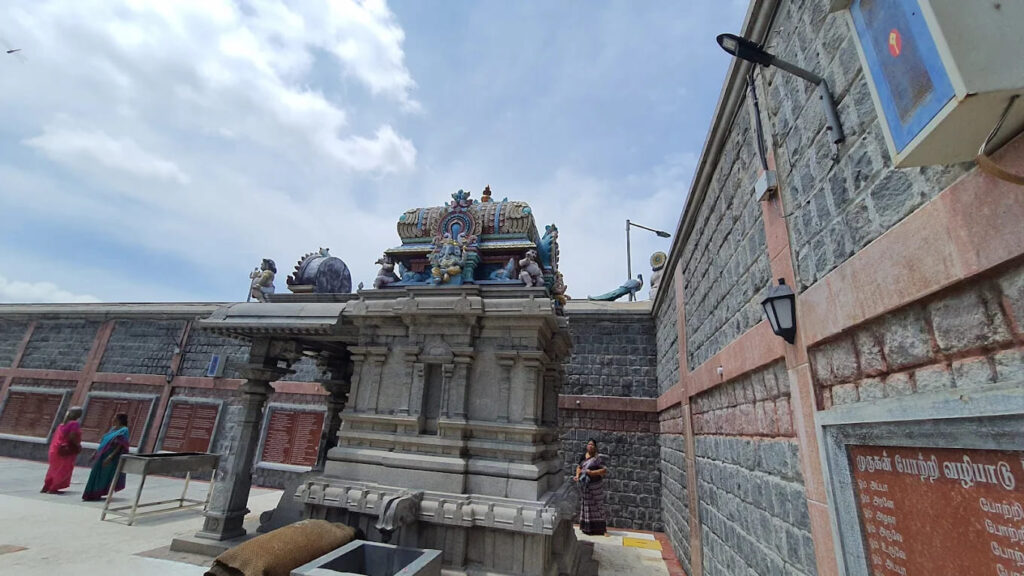
Nestled near Erode in Tamil Nadu, the Chennimalai Subramanya Swamy Temple is a sacred gem believed to be even older than the legendary Aarupadai Veedu – the six holy abodes of Lord Murugan. This revered temple is deeply intertwined with the famous devotional hymn Kanda Sashti Kavasam, composed by Baladevaraya Swamigal right at this divine spot. The line “Siragiri Velavan” in the hymn is thought to be a direct reference to Lord Murugan of Chennimalai.
Divine Origins of the Temple
Just 3 kilometers from Chennimalai lies Kodumanal, a village by the banks of the Noyyal River. A cowherd from this village noticed that one of his cows returned daily without milk. Curious, he followed it and saw the cow voluntarily pouring milk near a bush. Upon digging at the spot, he discovered an idol of Lord Murugan, perfectly sculpted from the waist up, yet rough and unfinished below.
When an artisan tried to chisel the lower portion, blood began to flow from the idol. A nearby sage declared that the Lord wished to remain in that sacred form, and so the idol was consecrated and continues to be worshipped just as it was found.
Mythological Significance
Legend speaks of a celestial contest between Ananthan – the serpent king and Vayu Bhagavan – the wind god, to determine who was more powerful. During their divine struggle, the peak of Mount Meru broke away and landed on earth, becoming what is now known as Chennimalai. This sacred hill is also referred to by other names such as Siragiri, Pushpagiri and Makudagiri.
Divine Presences and Sacred Features
- Main Deity: Lord Subramanya (Murugan)
- Consorts: Goddess Amuthavalli and Sundaravalli
- Sacred Tree: Tamarind Tree
- Number of Theerthams (Holy Water Bodies): 20
Some of the most revered theerthams include:
- Indira Theertham
- Yama Theertham
- Kasi Theertham
- Patchi Theertham
- Niruthi Theertham
- Sivagangai Kasi Well
- Mamanga Theertham – used for daily abhishekam and offerings
- Navaveera Theertham
- Saradha Theertham
- Teppakulam
Among these, Mamanga Theertham is especially noteworthy for its miraculous ability to retain water even during severe drought.
Temple Architecture and Layout
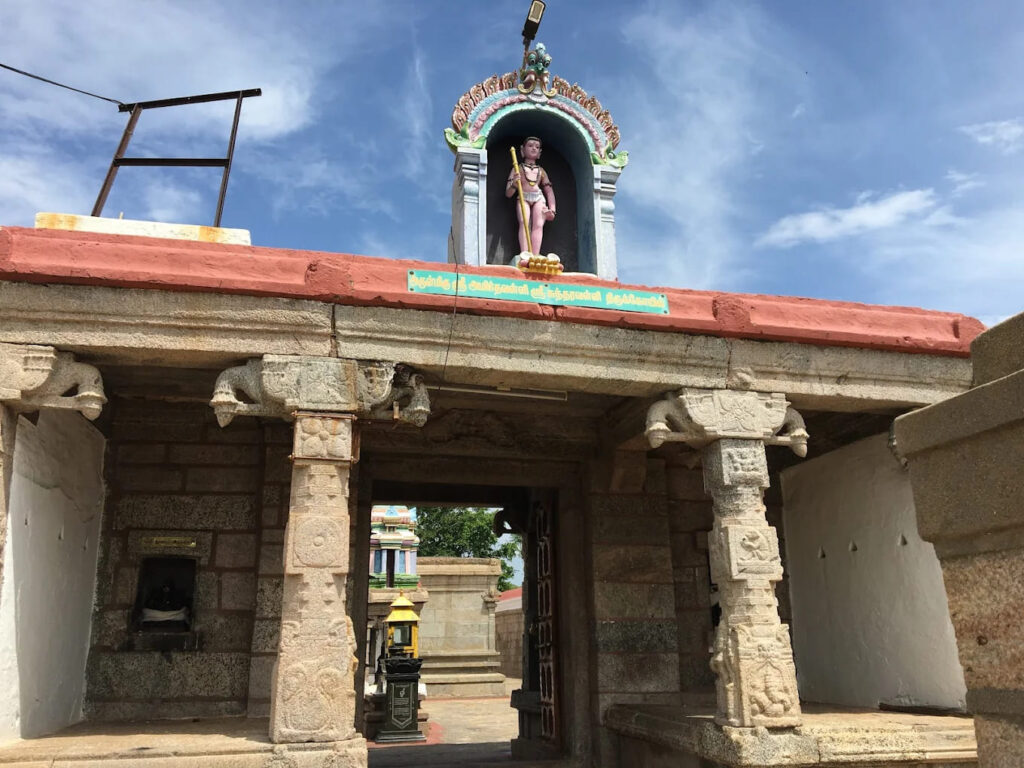
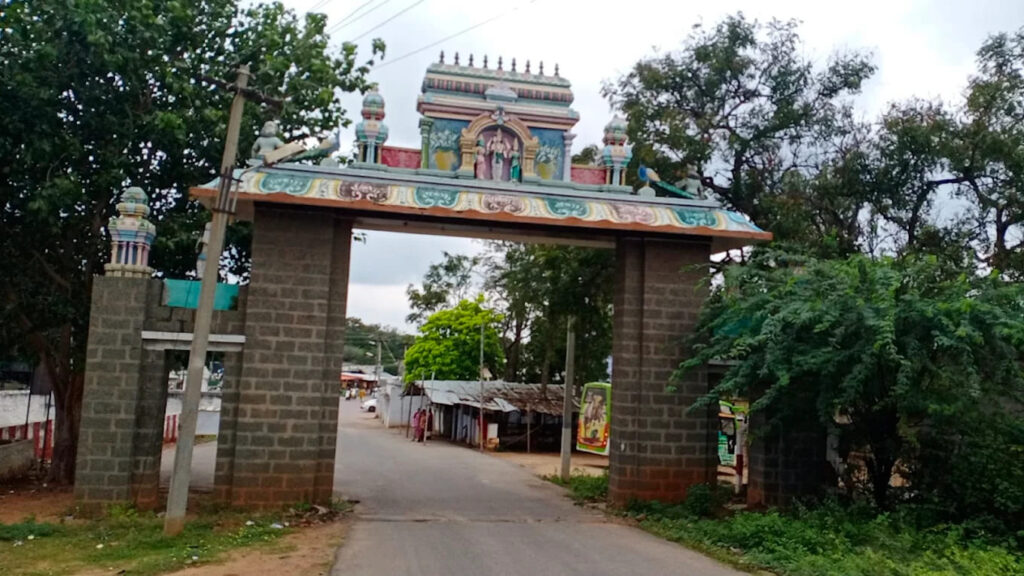
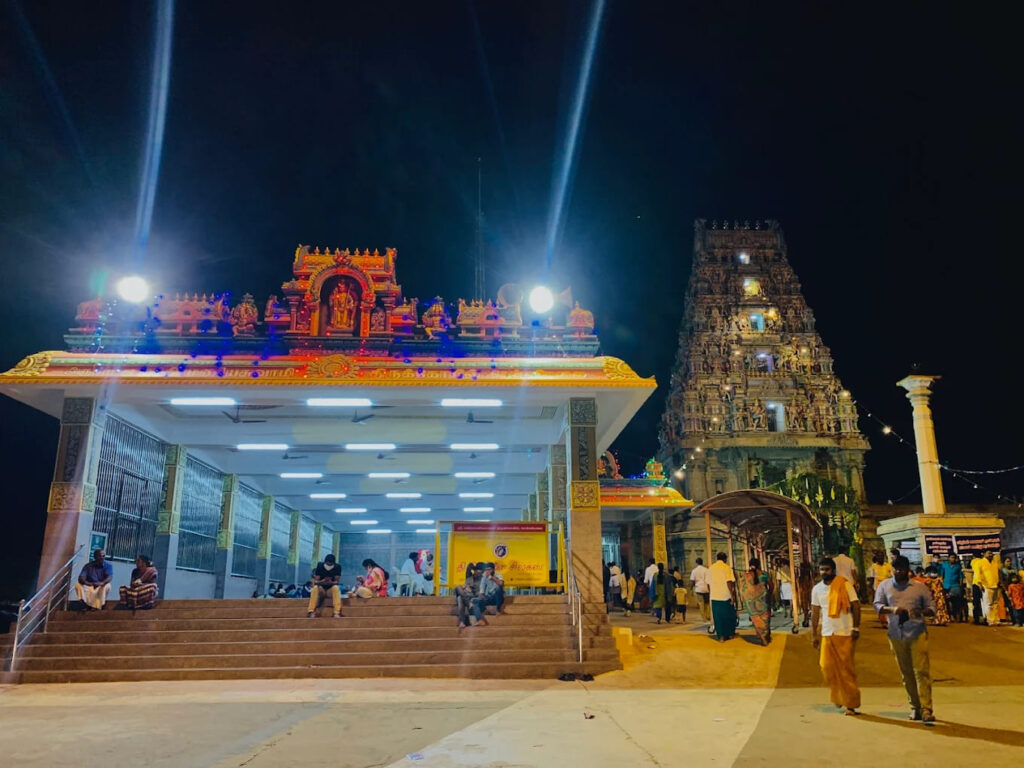
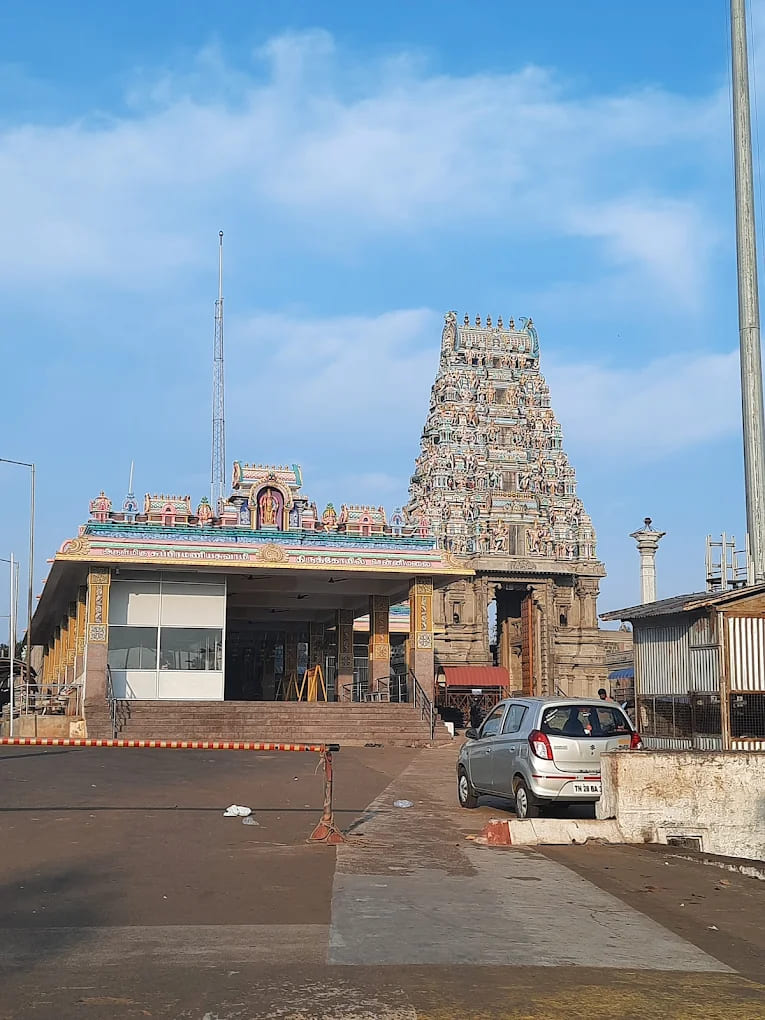
Situated atop a serene hill in Ichipalayam near Chennimalai, the temple is accessible via a gently sloped path. Along the way, devotees encounter:
- Shrines of Kadambavaneswarar, Kandhar and Idumban
- Valliamman Padam Mandapam
- Muthukumara Chavadi, the shrine of the mountain guardian
- A rare Thuratti tree with long leaves, believed to ward off evil spirits
- Aatrumalai Vinayagar, the Ganesha shrine
The main sanctum of Subramanya Swamy faces east. Flanking him are his divine parents – Lord Shiva and Goddess Parvati – in individual shrines. Behind the sanctum, his consorts Valli and Deivanai are enshrined together in a single stone-carved idol. Nearby, the shrine of Ponnakku (Punnakku) Siddhar, who chronicled the temple’s history, adds spiritual depth. The cave and samadhi of Sage Saravana Muni are also present behind the temple.
Beliefs and Ritual Practices
It is widely believed that childless couples praying on Sashti days at this temple are blessed with progeny. Before beginning major life events — from marriage to farming or business — devotees offer flowers to Lord Murugan and wait for divine signs of approval.
An Ancient Abode with Enduring Reverence
Revered as a spiritually potent shrine, the Chennimalai Subramanya Swamy Temple is often considered more ancient than the six abodes of Murugan, making it a must-visit destination for seekers of divine blessings.
Getting There
- 28 km from Erode (via Dharapuram Road)
- 13 km from Perundurai
- 3 km from Ingur Railway Station
Well-connected by road and rail, the temple draws pilgrims and visitors year-round.
Gallery of Chennimalai Murugan Temple