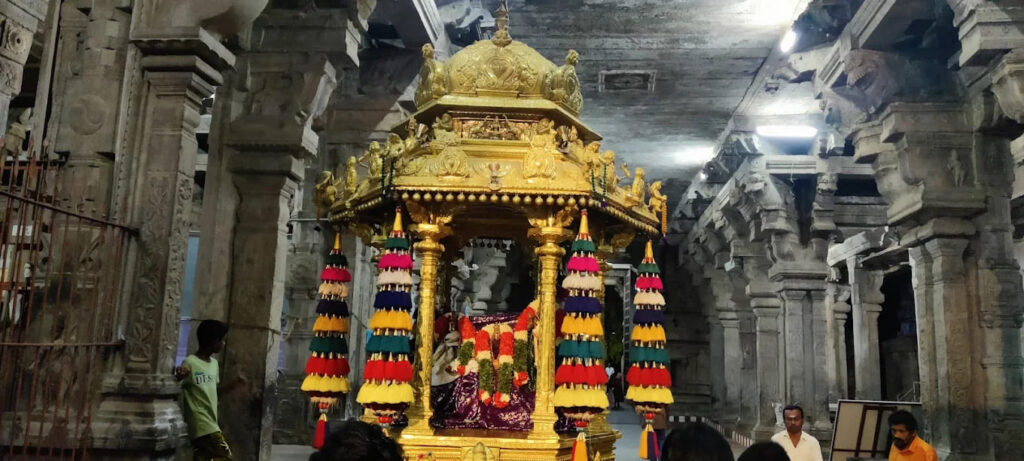
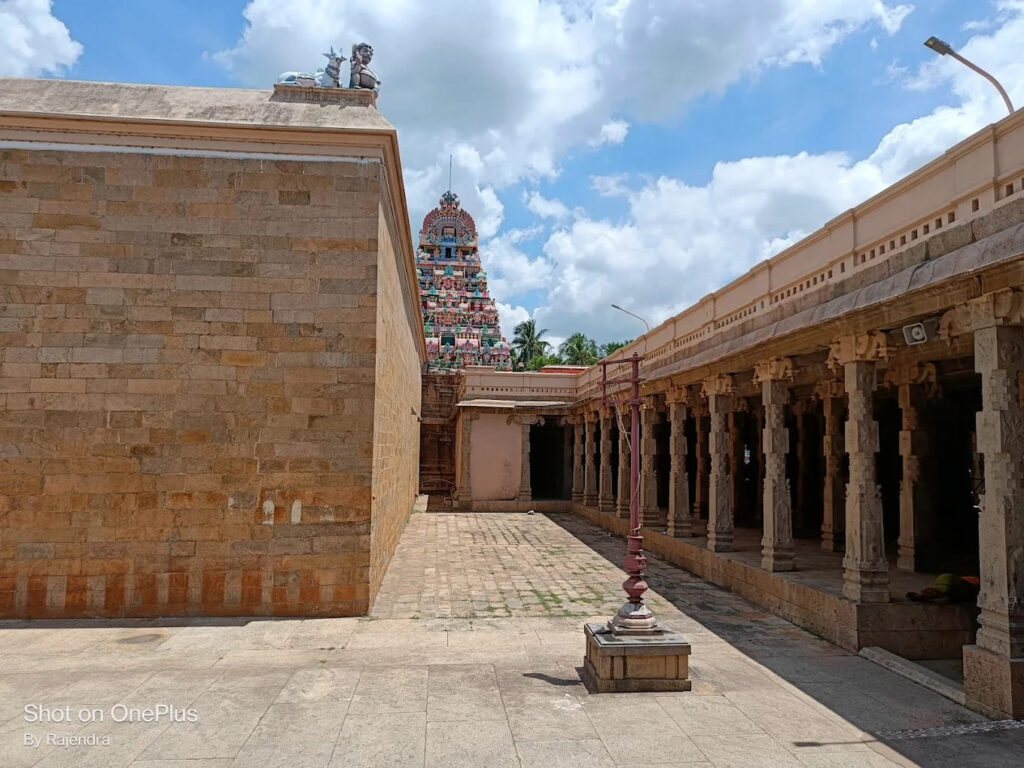
Jambukeswarar Temple, located at Thiruvanaikaval near Tiruchirapalli (Tamil Nadu), is one of the most revered temples dedicated to Lord Shiva. It is one of the Pancha Bhoota Sthalams, representing the element water (Appu). The presiding deity, Lord Jambukeswarar (Shiva), is worshipped in the form of a lingam that is always surrounded by water emerging from an underground spring. The temple also houses Akhilandeswari Amman, a powerful form of Goddess Parvati.
Key Highlights
Deity: Lord Jambukeswarar (Shiva) & Goddess Akhilandeswari
Significance: Represents the water element among the five natural elements (Pancha Bhoota).
Speciality: The sanctum always has water around the lingam, symbolizing the eternal flow of life.
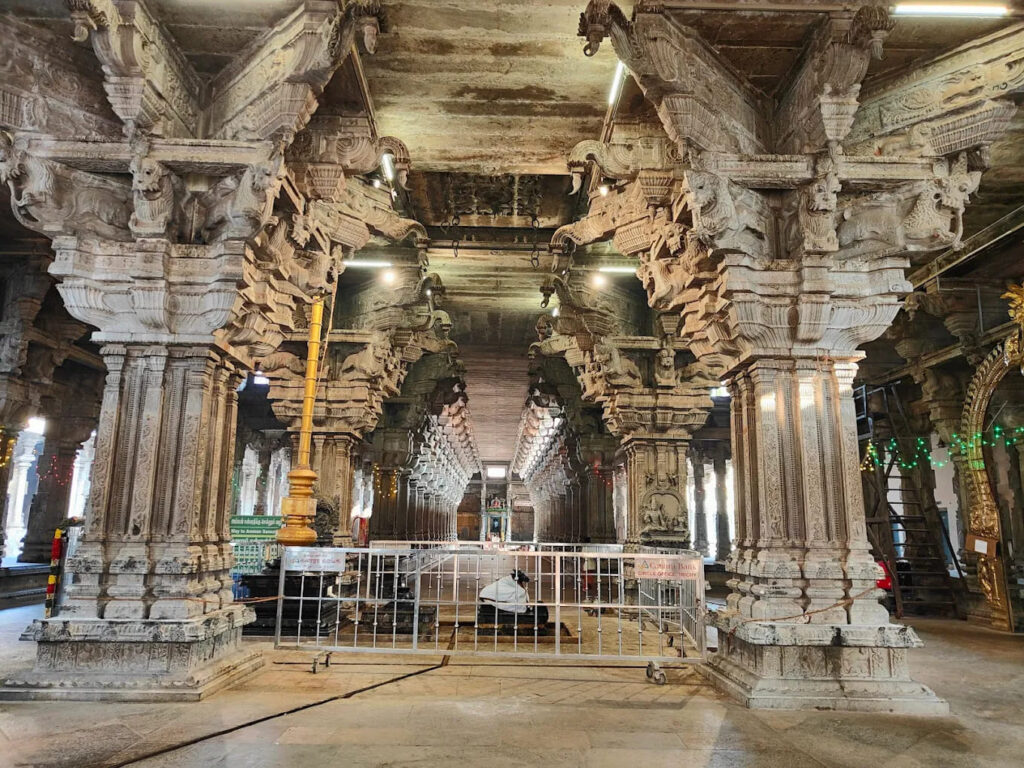
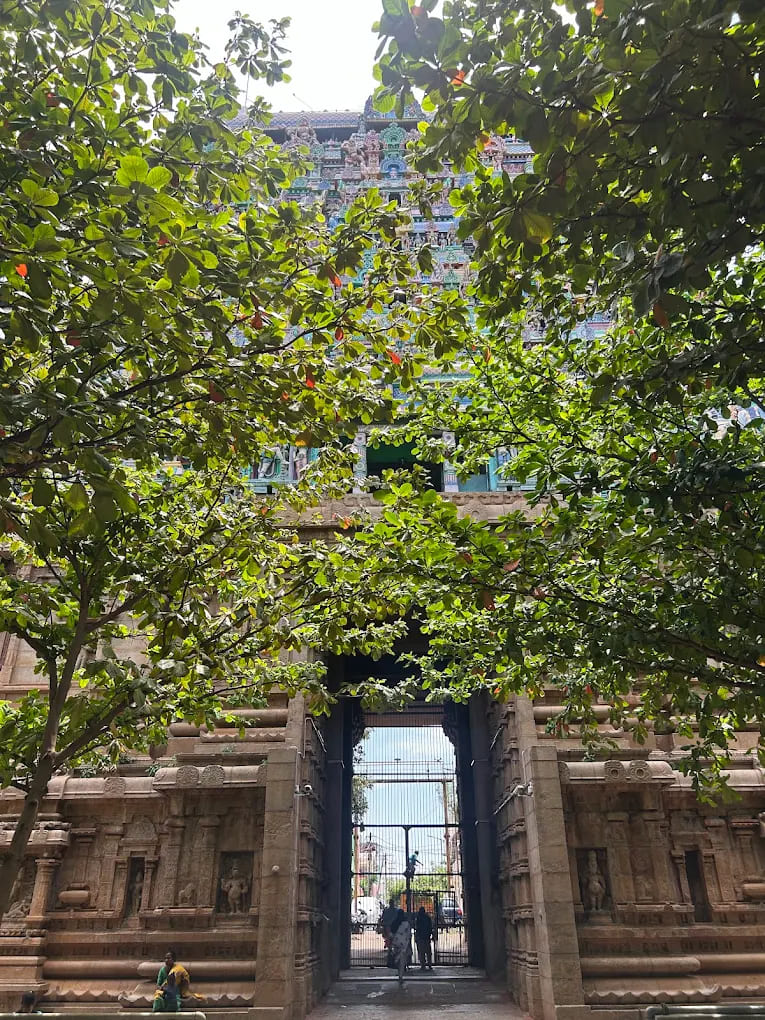
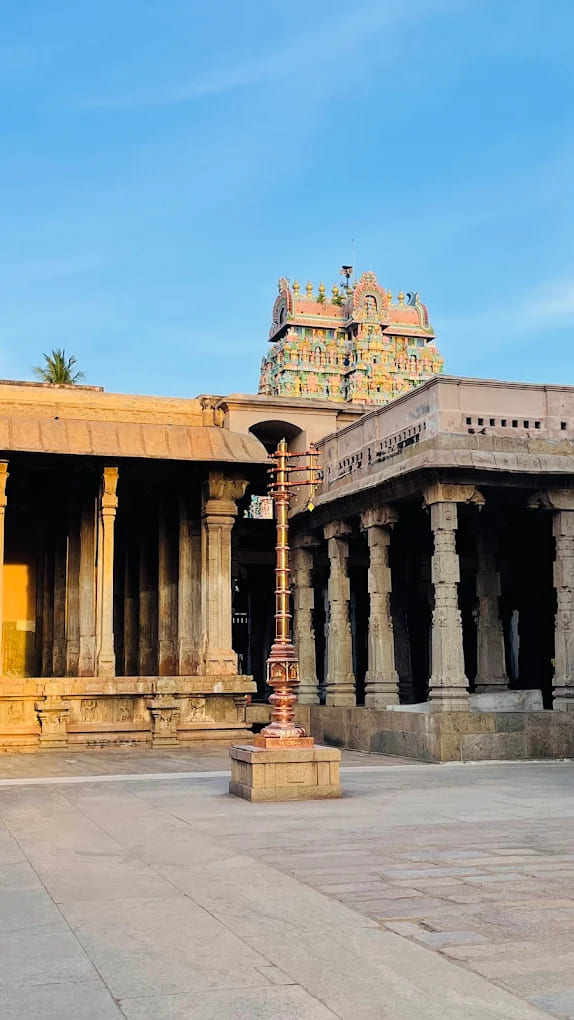
Architecture: Built in Dravidian style, the temple has massive gopurams, spacious prakarams and beautiful stone carvings.
Rituals: A unique tradition here is that the priest dresses up as a woman (representing Devi) and performs pooja to Lord Shiva every noon, signifying the divine conversation between Shiva and Parvati.
Historical Background: The temple was originally built by the Chola dynasty around the 2nd century CE, with later contributions from the Pandya and Nayak rulers.
Divine Origin
According to legend, Goddess Parvati once mocked Lord Shiva’s deep meditation. As penance, she was sent to earth to perform tapas. She came to Thiruvanaikaval and made a Shivalinga out of water from the Kaveri River under the shade of a Jambu (rose apple / Naaval) tree.
Pleased by her devotion, Lord Shiva appeared before her and taught her divine knowledge. That’s why in this temple, you can see Akilandeswari facing Lord Shiva, as if receiving wisdom from him.
The Elephant and Spider Legend
The name Thiruvanaikaval itself comes from a myth:
Long ago, an elephant (Aanai) and a spider (Achi) worshipped the Shiva Linga here. The elephant performed abhishekam with water daily, while the spider spun a web over the Linga to provide shade. One day, the elephant destroyed the web unknowingly, angering the spider. A fight ensued, and both lost their lives. Lord Shiva blessed them for their devotion: the elephant was reborn as the Chola King (Kochengat Cholan), who later built this temple with architecture designed so that elephants cannot enter the sanctum.
Temple Architecture & History
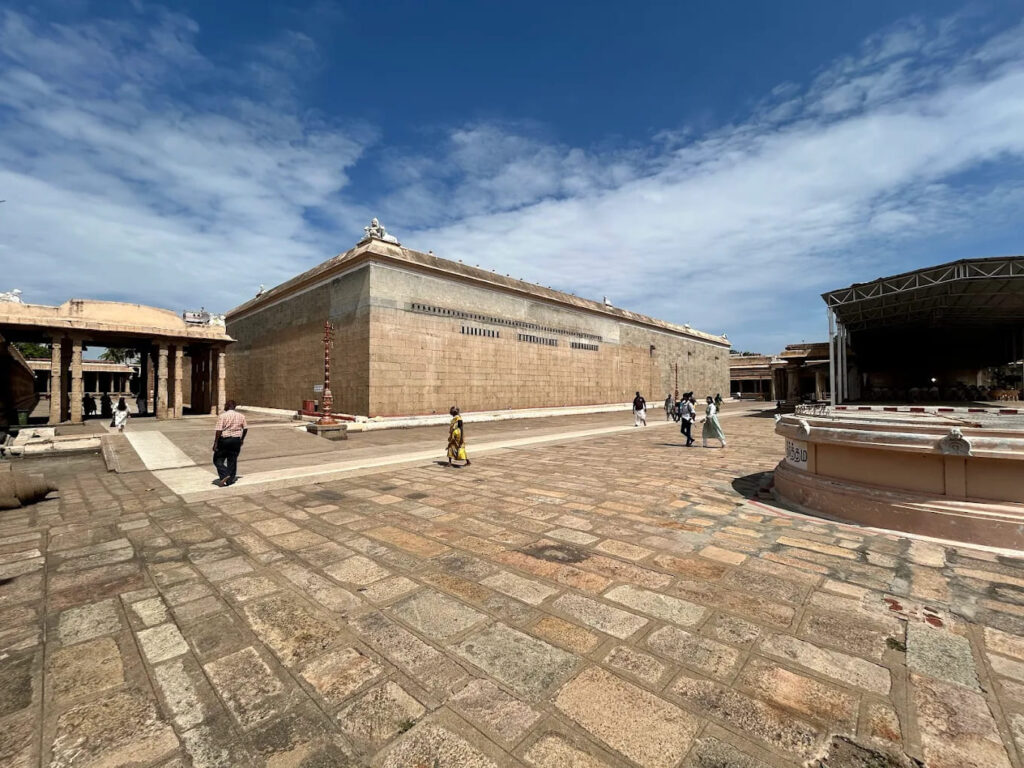
The temple was expanded by Kochengat Chola (early Chola king) around 2nd century CE. Later Chola, Pandya, Vijayanagara and Nayak rulers made contributions. The temple is massive, with seven prakaras (enclosures) and towering gopurams (gateways). Inside the sanctum, the Shivalinga always has water at its base, symbolizing the water element. This water is said to come from an underground natural spring, which never dries even during drought.
The temple also holds a special ritual: midday puja performed by a priest dressed as a woman (representing Parvati), symbolizing the goddess still worshipping Lord Shiva here.
Jambukeswarar Temple is not just a shrine but a spiritual symbol of devotion, penance and the eternal power of water. With its legends of Parvati’s tapas, the elephant-spider story, and its place among the Pancha Bhoota Sthalams, it is one of the most sacred Shaivite temples in India.
Gallery of Thiruvanaikaval Temple