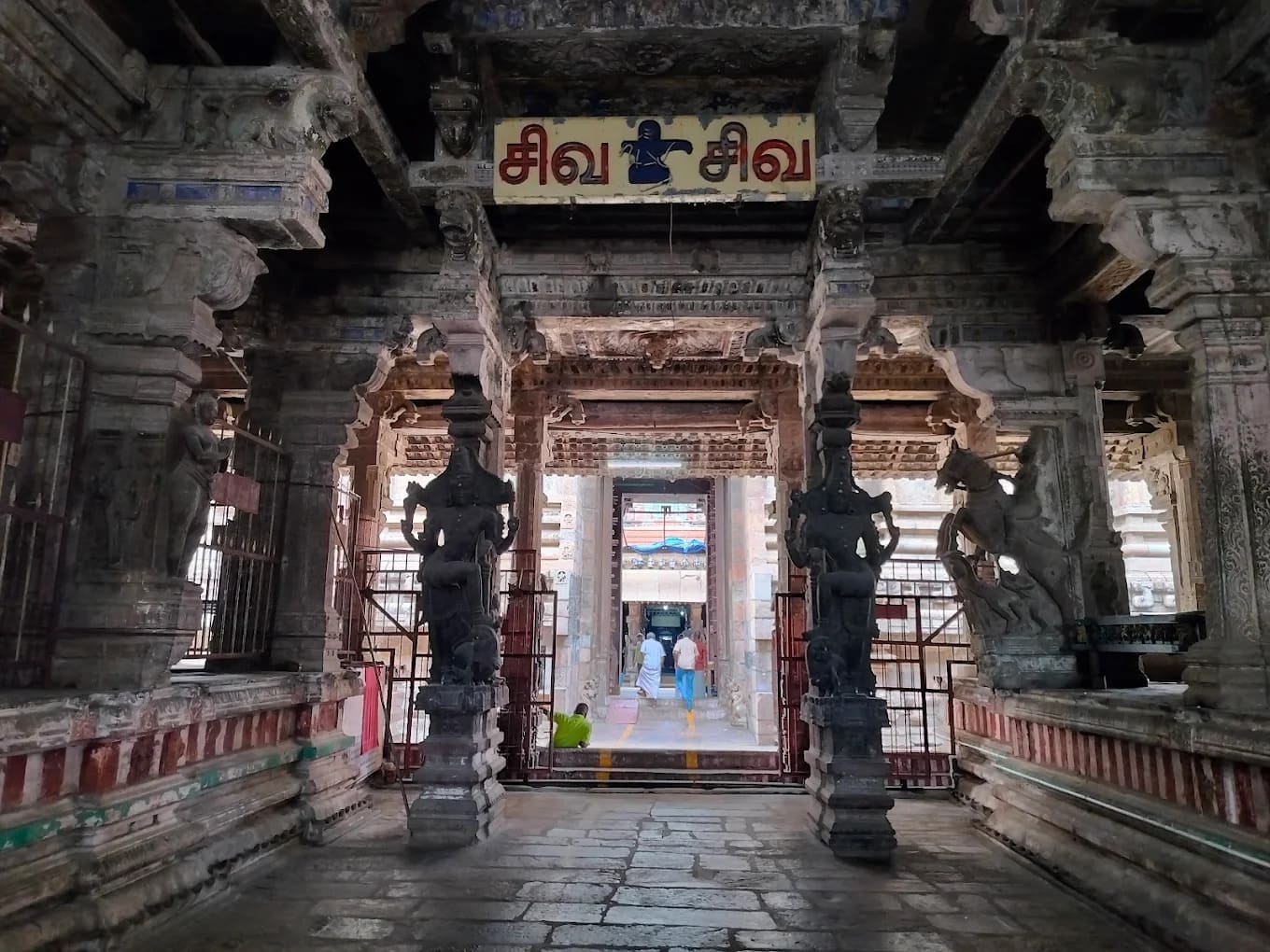
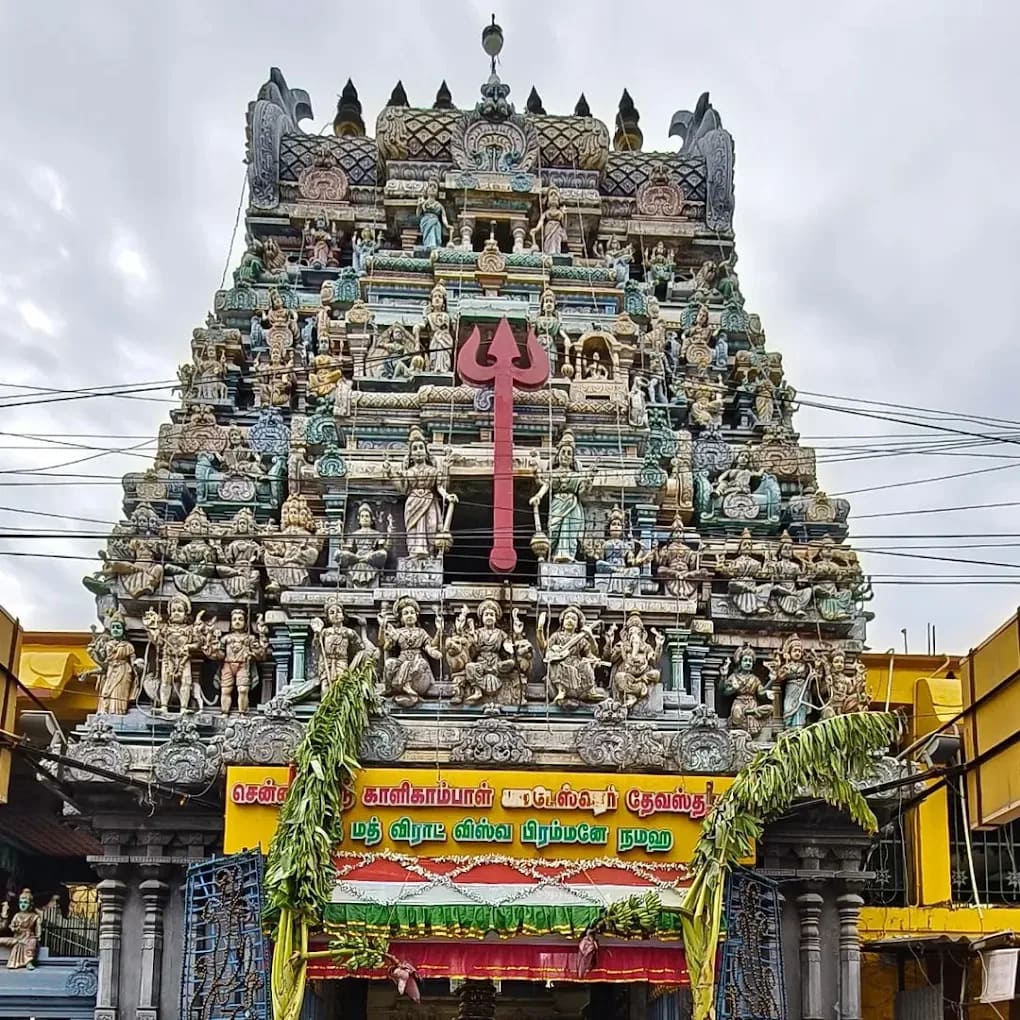
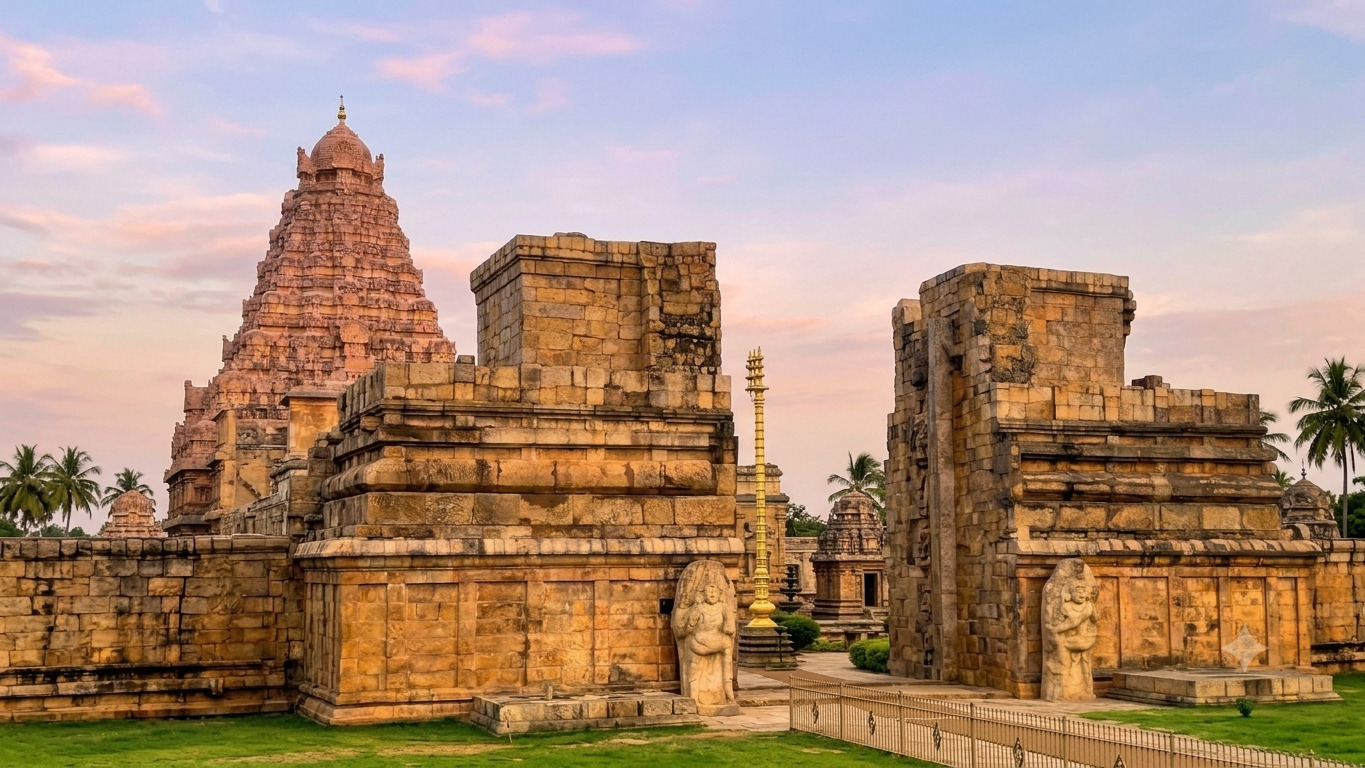
Nestled in the serene town of Avinashi, approximately 40 km from Coimbatore and 10 km from Tirupur, stands the ancient and revered Sri Avinashi Lingeswarar Temple, a monumental Shiva shrine in the Kongu Nadu region of Tamil Nadu. With the gentle River Nallar flowing nearby, this temple is considered one of the oldest and most sacred Shiva temples of the region.
The presiding deity is Sri Avinashi Appar or Perung Kedili Appar, while Goddess Parvati is worshipped here as Sri Karuna Ambika and Sri Perung Karunai Nayaki. The name “Avinashi” itself holds deep spiritual meaning – ‘Vinasam’ means perishable, and ‘Avinashi’ means imperishable, signifying the eternal nature of Lord Shiva. The temple’s original name was Thirupukkoliyur, and it holds the distinction of being the first among the seven sacred Shiva Sthalams of Kongu Nadu, also known as the Karunaiyaathaal Temple.
One of the key attractions of this temple is the majestic 70-foot tall Deepa Sthambham (lamp post), carved out of a single stone. Intricate sculptures adorn its base, depicting the divine tale of a boy resurrected from a crocodile’s mouth, the great saint Sundaramurthy Nayanar, and Lord Ganesha.
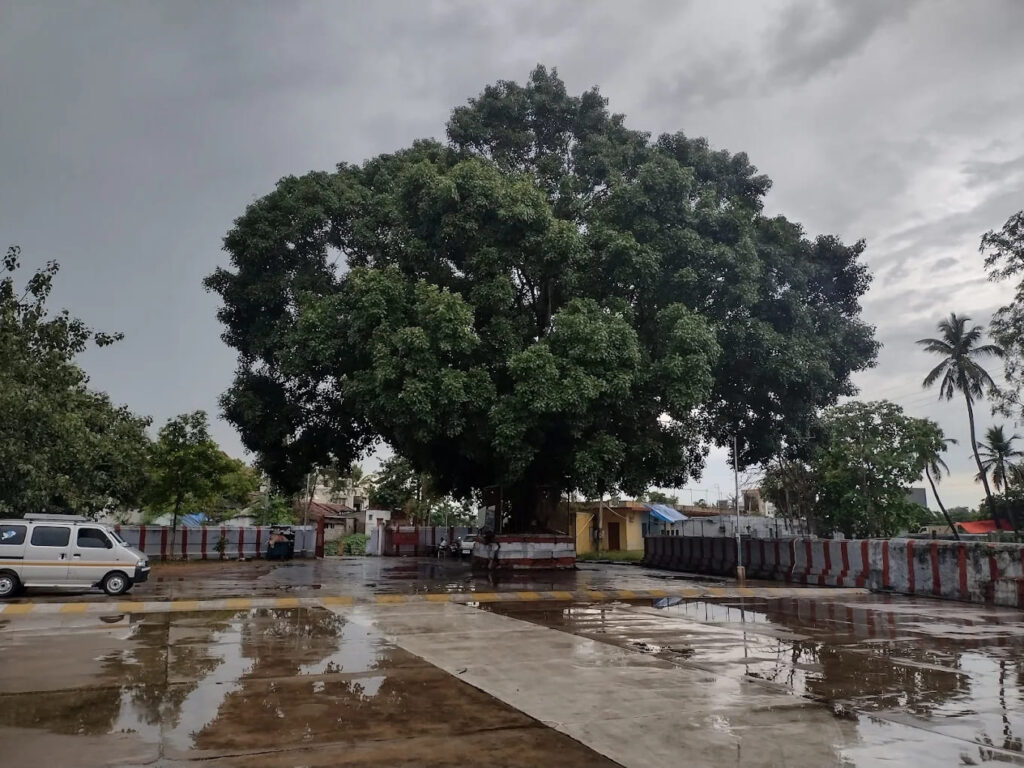
The temple is rich with sacred elements, including several Sthala Theerthams like the Kasi Kinaru, Thamarai Kulam (Lotus Pond), and Naga Kanni Theertham. The temple’s sacred tree (Sthala Vriksham) is the Pathiri Tree (Yellow Snake Tree), which blooms only during the grand Brahmotsavam festival, believed to be the time of divine penance by Goddess Karunambikai.
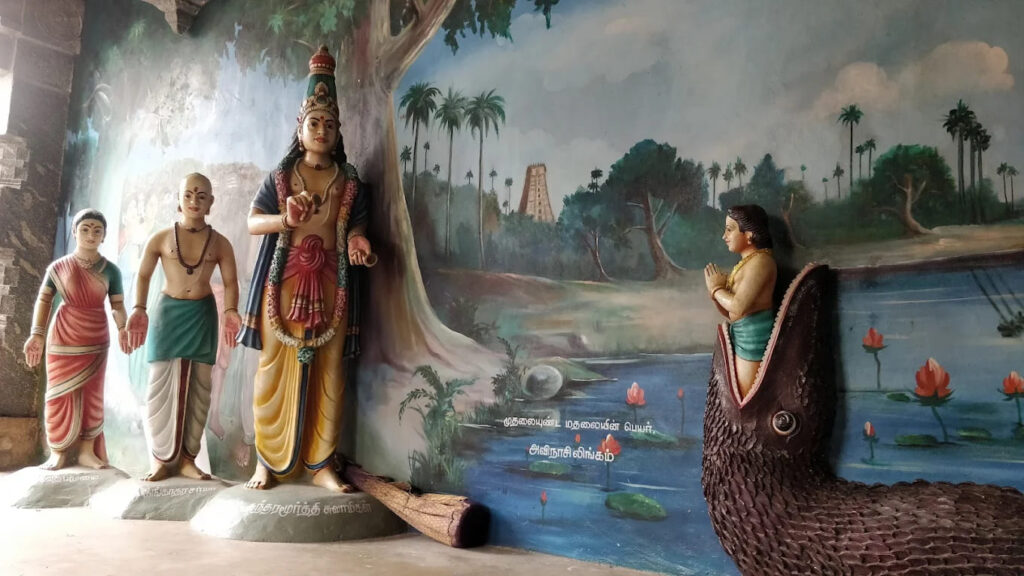
According to legend, Saint Sundaramurthy Nayanar once visited this temple and was moved by the grief of a family whose child had been devoured by a crocodile three years prior. The saint rendered a soulful Pathigam (hymn), pleading for the child’s return. Miraculously, during the fourth stanza, a crocodile emerged from the temple tank and released the boy, now fully grown. This divine incident is commemorated through exquisite paintings and stone reliefs across the temple.
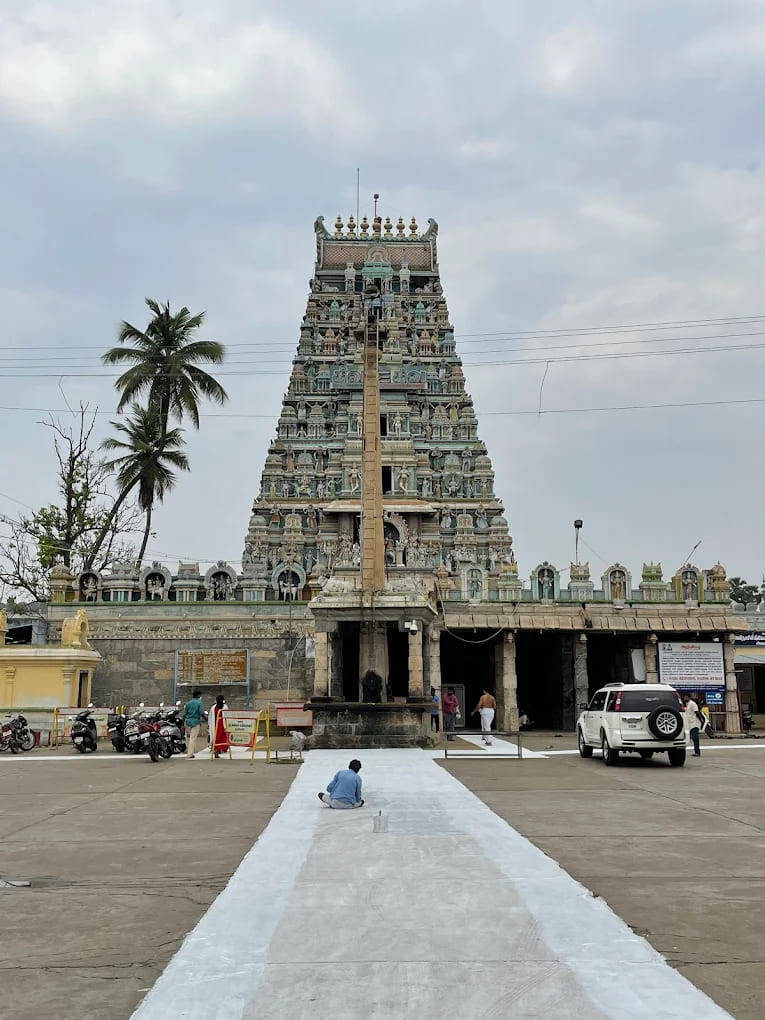
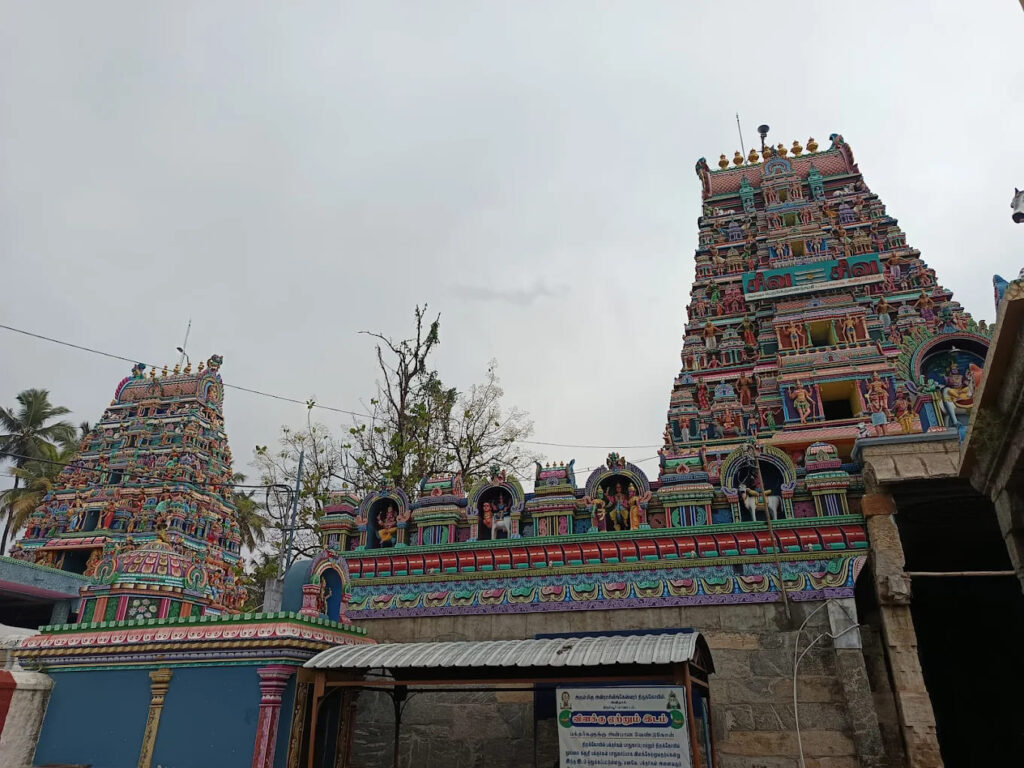
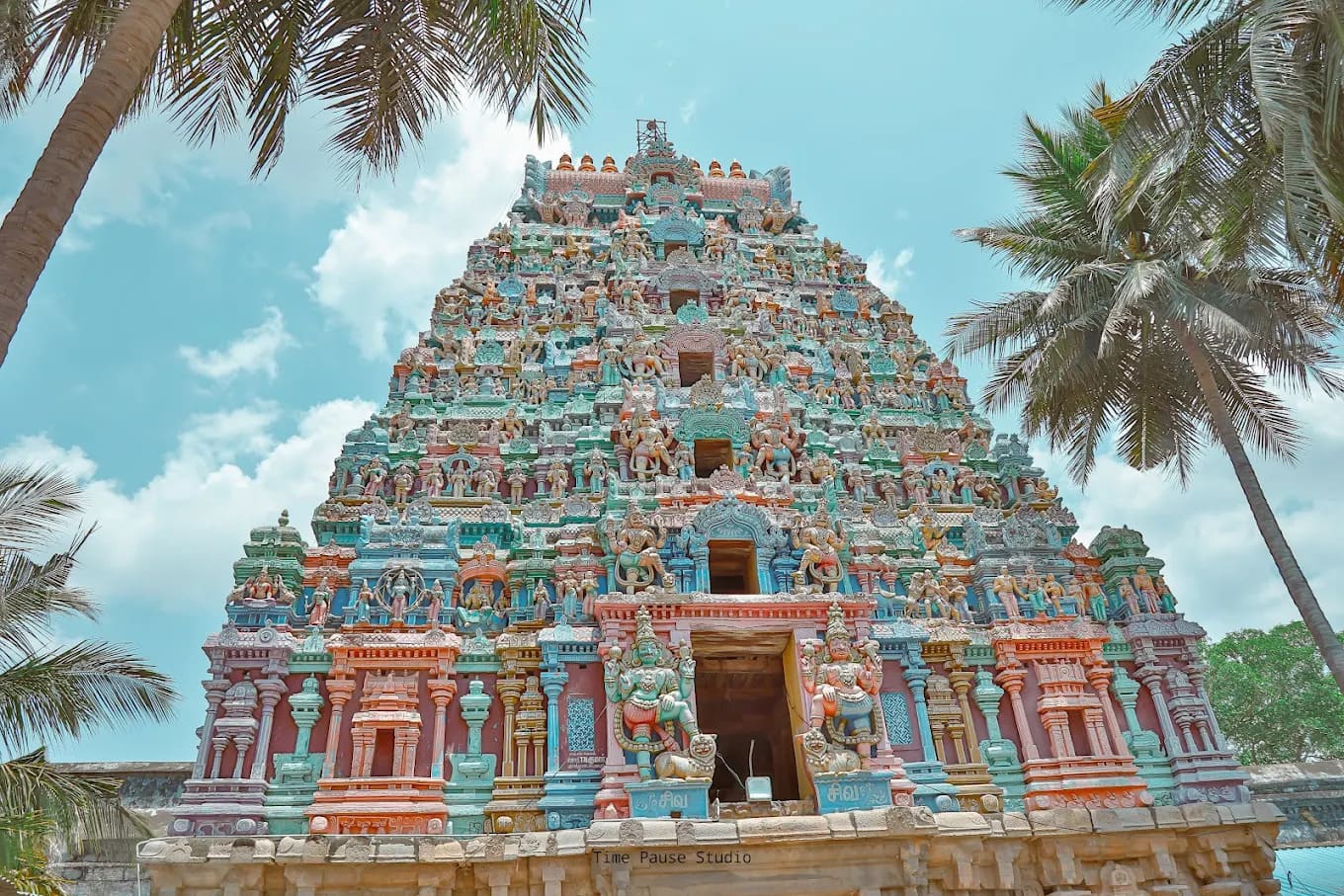
Historically, the temple’s origins trace back to the Chola dynasty, with the current structure dating to the 10th century CE. The Rajagopuram (main tower) on the eastern side rises to over 100 feet with seven tiers, showcasing classic Dravidian architectural brilliance. The temple is filled with fine carvings and iconography from Hindu mythology. A remarkable detail is the scorpion sculpture located behind the main shrine, believed to offer protection against venomous bites and stings.
Notable Deities & Shrines:
- Two shrines for Goddess Parvati – one under the Pathiri tree in penance and another beside Lord Shiva in the sanctum, placed unusually on His right side (instead of the traditional left).
- Kala Bhairavar Shrine – holds special importance, with the offering of Vada Malai (garland of vadas) on Ashtami days.
- Shrines and idols of Vinayakar (Ganesha), Lord Murugan with consorts, Natarajar, Dakshinamurthy, and the Navagrahas enrich the temple corridors.
Literary and Spiritual Significance:
Sri Avinashi Lingeswarar Temple is one of the celebrated 275 Paadal Petra Sthalams, glorified in the Tevaram hymns of Sundarar. It also finds mention in other sacred Tamil texts such as Tirumular’s Thirumantiram, Arunagirinathar’s Tiruppugazh, and Manikkavacakar’s Tiruvasakam.
There is a popular Tamil saying:
“Kaasiyil vaasi, Avinashi”,
meaning that worship at Avinashi bestows half the merit of a pilgrimage to Kashi (Varanasi).
Gallery of Avinashi Lingeshwarar: